Premium Cat Trees: What Actually Makes One Worth $300+ (2026)
As an Amazon Associate I earn from qualifying purchases. Product details may change; verify on Amazon before purchase.
🔍 How this guide was put together (Editorial Standards)
This guide compares options using published manufacturer specifications, patterns in publicly visible owner reviews, and reputable expert sources. We do not operate a physical testing lab; see our how-we-research page for details.
| Rank | Product | Name | Why we picked it | Buy |
|---|---|---|---|---|
| Top pick | 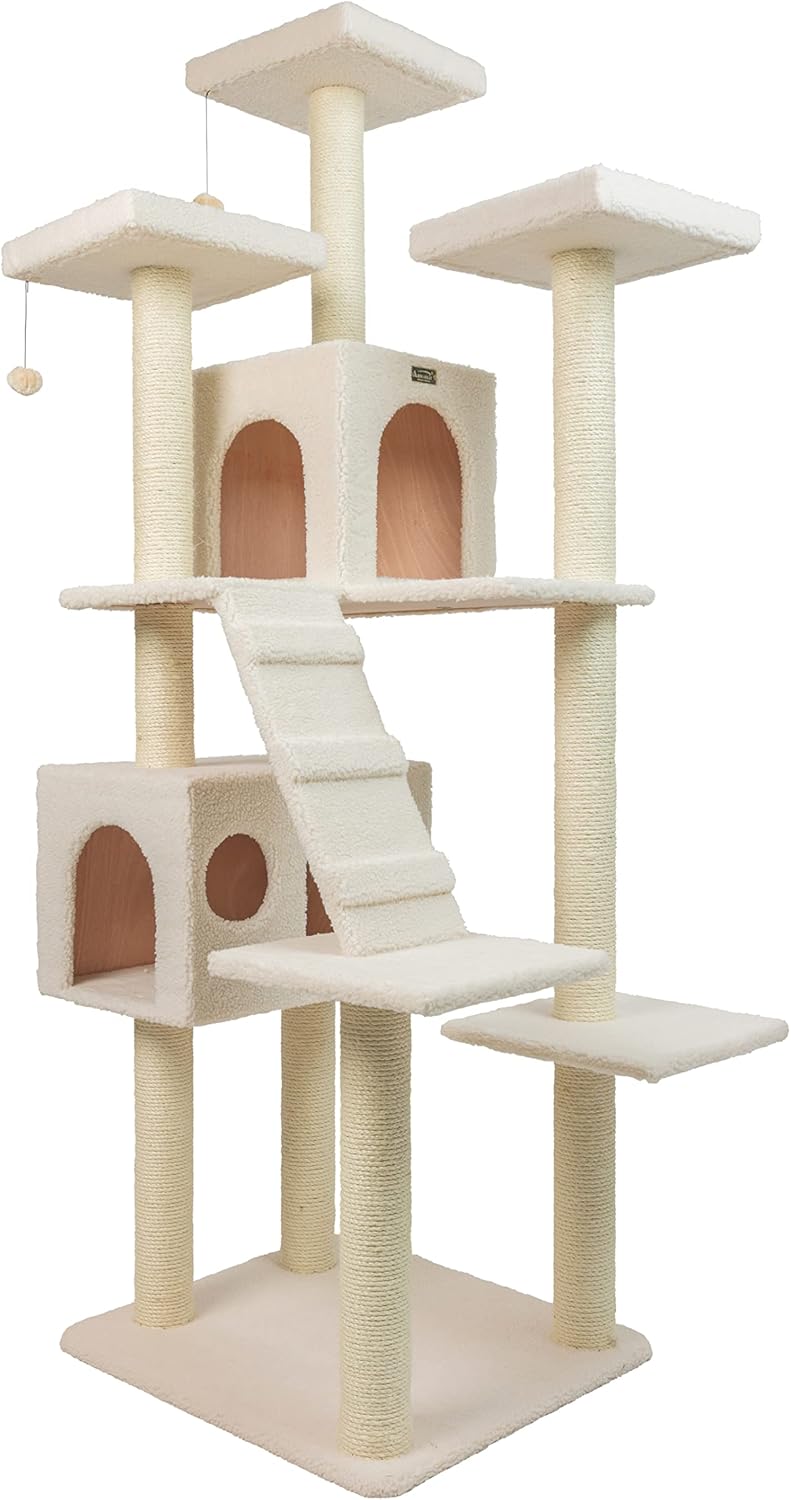 | Armarkat A7202 72-Inch Real Wood Cat Tree (solid-wood frame, replaceable sisal, decade-lifespan build) | Check price | |
| Runner-up |  | Globlazer F70 Pro Heavy-Duty Cat Tree Tower, 70in (large adult cats, engineered wood, thick posts) | Check price |
“Premium” on a cat tree can mean a $200 designer piece that looks great in a living room and falls apart in eighteen months, or a $600 solid-wood tower that outlasts three cats. The price alone tells you nothing — the construction does. Here’s what actually justifies paying double or triple over a big-box cat tree, and how to spot the ones where the price is design tax rather than durability.
The four things that actually cost money
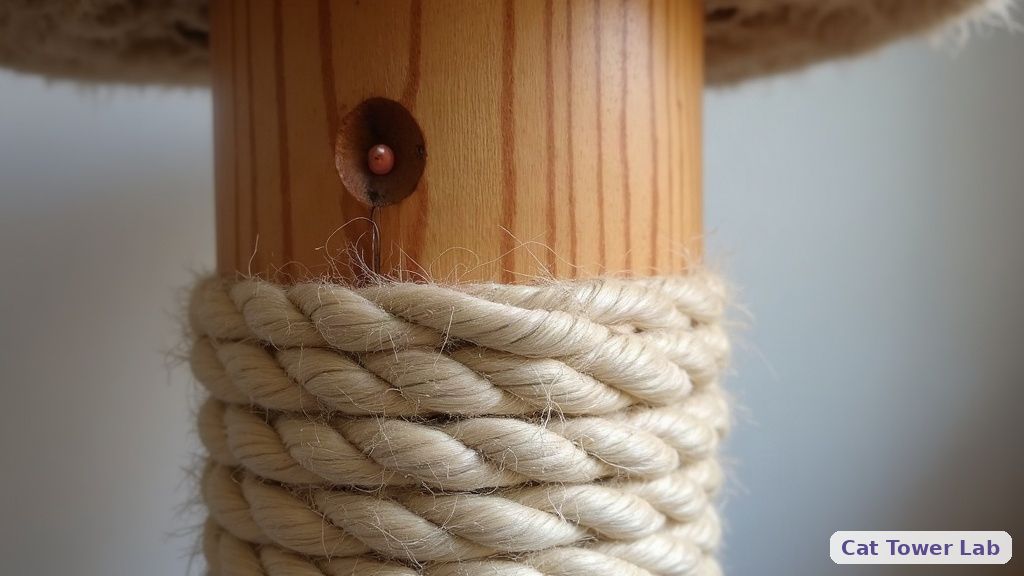
- Solid or real wood frame — most cat trees are hollow cardboard posts wrapped in fabric. A real-wood post costs 3–4× as much to make, weighs several times more, and feels immediately different to a big cat when it lands. This is the single biggest price driver on legit premium trees.
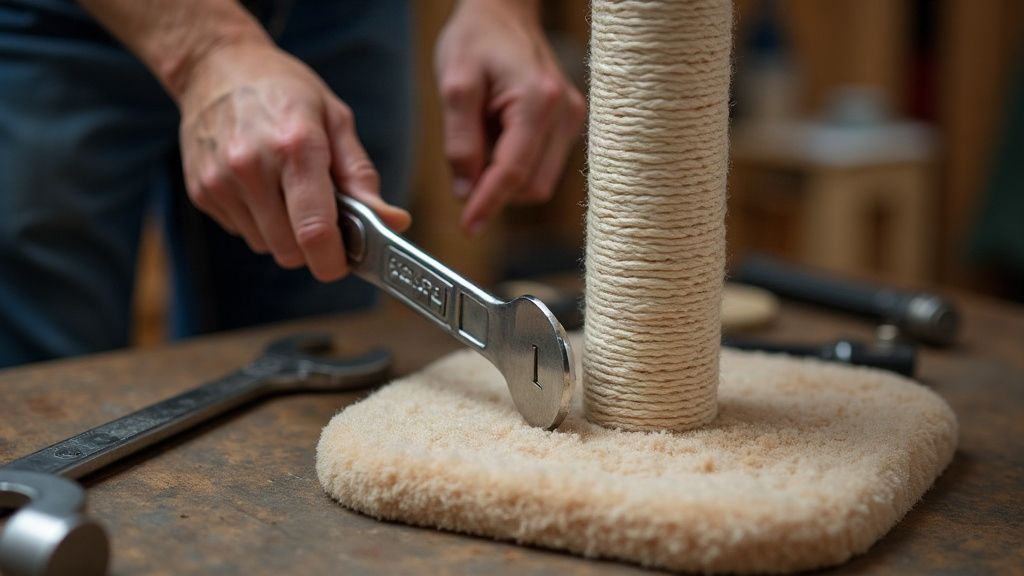
- Replaceable sisal wrap — cheap trees staple sisal to permanent posts; when it wears through in 12 months, you throw the tree away. Real premium trees anchor sisal in a way you can rewrap yourself, extending the tree’s usable life to 10+ years. See our replace worn sisal guide for how the swap works — the fact that you can swap is a build-quality tell.
- Wide, heavy base with proper hardware — bolt-through construction (not staples, not push-in dowels) that lets the tree hold big cats without wobble. Base weight matters because a heavy base resists tipping regardless of the cat’s landing force.
- Materials the cat actually wants — natural sisal (not synthetic), plush that doesn’t pill after one wash, wood or veneer that cats can scratch without the tree looking destroyed. Details cats notice, humans photograph.
Design premium vs durability premium
Not all “premium” is the same premium:
| Type | What you pay for | Lasts |
|---|---|---|
| Designer / modern | Looks, materials (walnut veneer, felted wool) | 2–4 years typical, depends on frame |
| Real-wood heavy-duty | Solid frame, thick posts, wide base | 10+ years with sisal rewraps |
| Multi-cat / large-breed | Extra platforms, weight rating, redundant supports | Depends on frame, usually 5–8 years |
| Big-box "premium" branding | Marketing markup on standard construction | 1–3 years |
A designer tree at $250 can be genuinely worth it if you value how it looks and the frame is decent — but many are style-first, and a big cat exposes them fast. A real-wood heavy-duty tree at $350–500 pays back in longevity across the cat’s whole life. Match the premium to what you actually need — style or structure.
How to spot the difference before buying
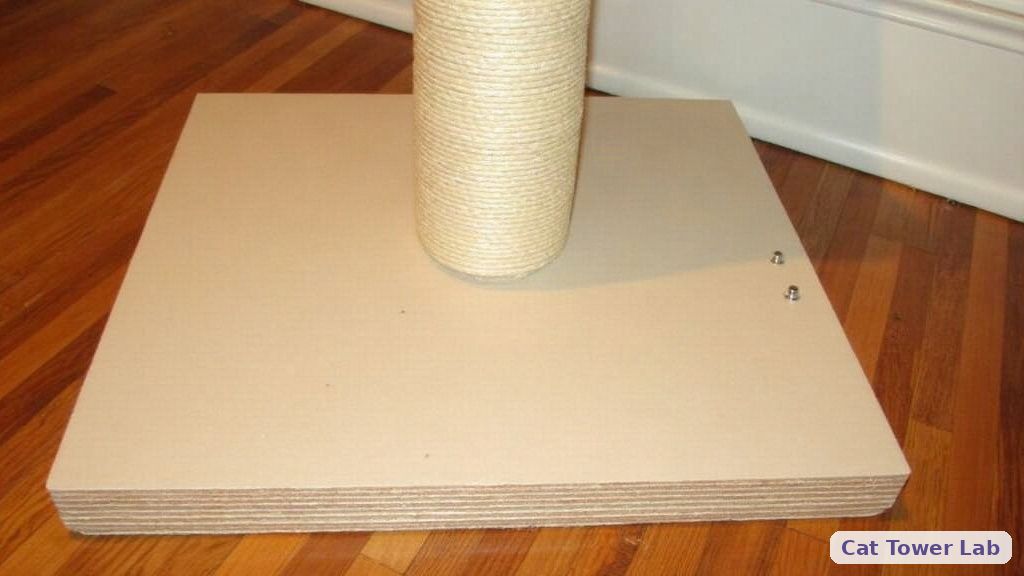
- Weight in the listing — a 60-lb tree isn’t a 20-lb tree with fancier fabric. Base weight under 25 lb on a tall tree signals a lightweight frame regardless of price.
- Push-test video from real owners — if reviewers show it wobbling at 60% empty, it’ll wobble worse loaded (dig through the buying mistakes guide for what to look for).
- Base width vs total height — a wide base (28”+ for a tall tree) resists tipping; a narrow base at height is the classic wobble geometry.
- How platforms attach — bolted through the post > screwed into the post > stapled on top. Cheap “premium” often skips this bit.
- Replaceable parts — brand supports rewraps, sells replacement platforms/tubes. Sign of a company that expects the tree to last.
Reference: the American Association of Feline Practitioners’ environmental-enrichment guidance describes vertical territory as a genuine welfare need — a durable tree gives your cat that resource for its whole life instead of forcing you to replace pet furniture every few years.
Do premium trees actually last longer with a heavy cat?
Yes, meaningfully. A Maine Coon or larger active cat can accelerate wear on a $150 tree to under a year — bases loosen, staples pop, cardboard posts collapse. A real-wood premium tree handles the same cat for its lifetime because the failure modes (bolt-through joints, solid post) simply don’t apply. If you have a large-breed cat, our large-cat picks and sturdiest cat trees guide both walk through the specific build features that make the price make sense.
What about “luxury” pieces that look like furniture?
They can be worth it, but score them the same way: frame strength first, aesthetic second. A gorgeous walnut-veneer tree that wobbles is a $400 mistake. A well-built modern piece is worth every dollar for the years of use plus the fact that it looks intentional in your home. Our modern cat trees guide covers the style-plus-strength picks.
And multi-cat households?
Premium pays back faster here. Two or three cats sharing a tree double or triple the load plus add chase-and-jump dynamics. A cheap tree fails in months under that use; a premium frame handles it for years. Our multi-cat sizing and weight capacity guide cover the specific construction to prioritize.
The bottom line
A premium cat tree is worth the price when the money buys solid or real wood, replaceable sisal, wide heavy base with bolt-through hardware, and materials cats actually engage with. It’s not worth it when the premium is walnut-veneer over the same cardboard frame everyone else sells. Judge by weight, base geometry, and construction — not brand name or photo styling — and a $350 tree that lasts a decade beats three $120 replacements. For homes with big or multiple cats, the payoff is even faster.