7 Cat Tree Buying Mistakes That Waste Money (and How to Avoid Them)
As an Amazon Associate I earn from qualifying purchases. Product details may change; verify on Amazon before purchase.
🔍 How this guide was put together (Editorial Standards)
This guide compares options using published manufacturer specifications, patterns in publicly visible owner reviews, and reputable expert sources. We do not operate a physical testing lab; see our how-we-research page for details.
| Rank | Product | Name | Why we picked it | Buy |
|---|---|---|---|---|
| Top pick | 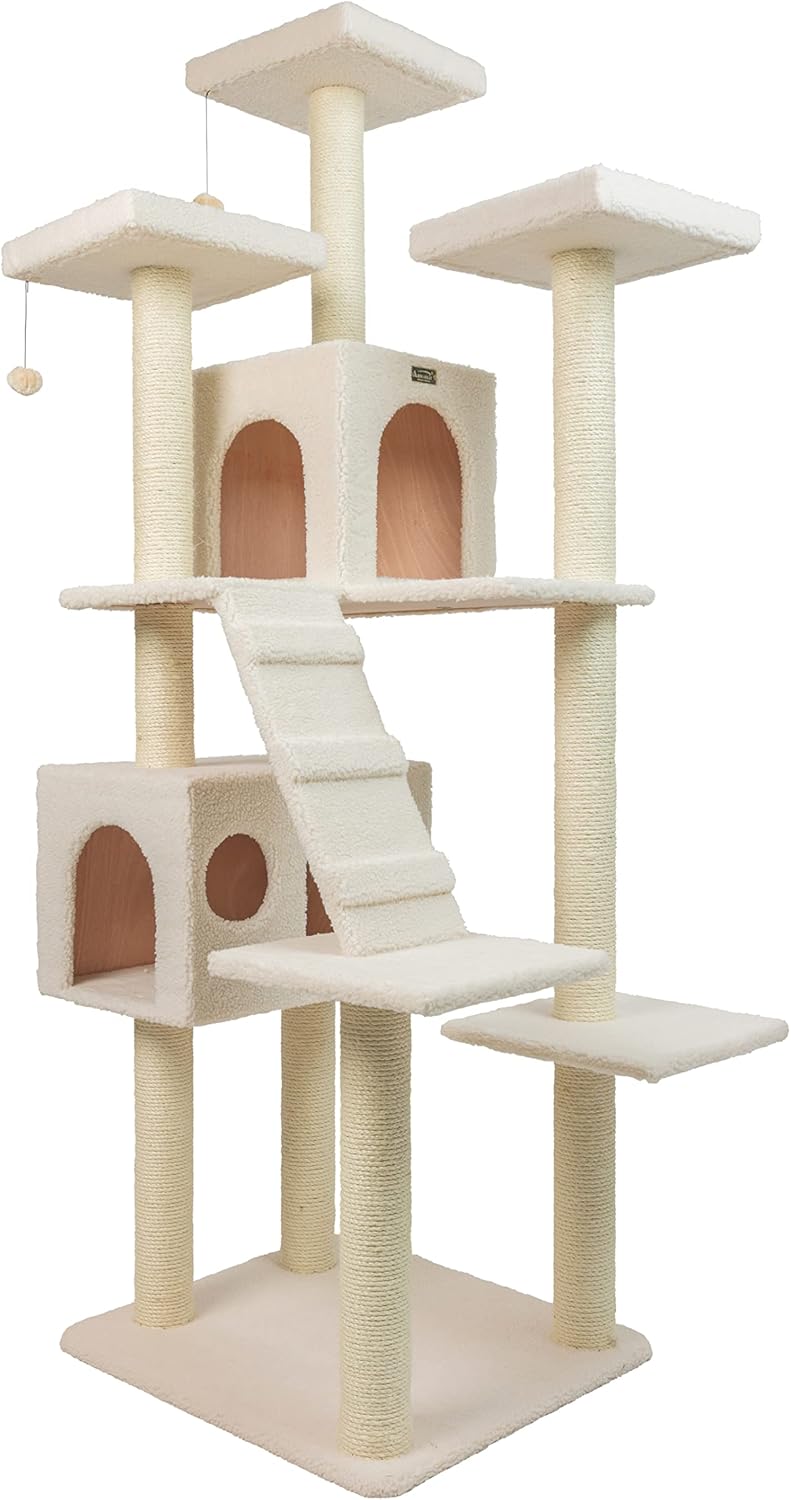 | Armarkat B7701 Real Wood Cat Tree (stable, right-sized example) | Check price |
The saddest sight in cat ownership is a brand-new cat tree the cat completely ignores — or one that wobbles into the garbage over time. Almost always it traces back to the same short list of buying mistakes, and every one is avoidable if you know it before you click “add to cart.” Here are the seven that waste the most money, and how to sidestep each.
The 7 mistakes
- Buying too small for the cat. A tree sized for an “average” cat is unstable and cramped for a big breed. Match base width and perch size to your cat — our large-cats guide and size guide cover this.
- Ignoring the base (wobble). A narrow base on a tall tree rocks when the cat jumps, and a wobbly tree gets abandoned fast. Prioritize a wide, heavy base — see sturdiest cat trees.
- Wrong material for your home. Carpet-over-particleboard is cheap but wears; real wood lasts and looks better. Weigh it in our materials guide.
- No thought to placement. Even a great tree fails in the wrong spot. Cats want a view and traffic sightlines — where to place a cat tree.
- Too few or thin scratching posts. Cats need sisal to scratch; skimpy posts send them back to your sofa. See cat tree vs scratching post.
- Buying for looks over the cat. A gorgeous tree the cat won’t climb is decor, not furniture. Function first, then style — modern cat trees balances both.
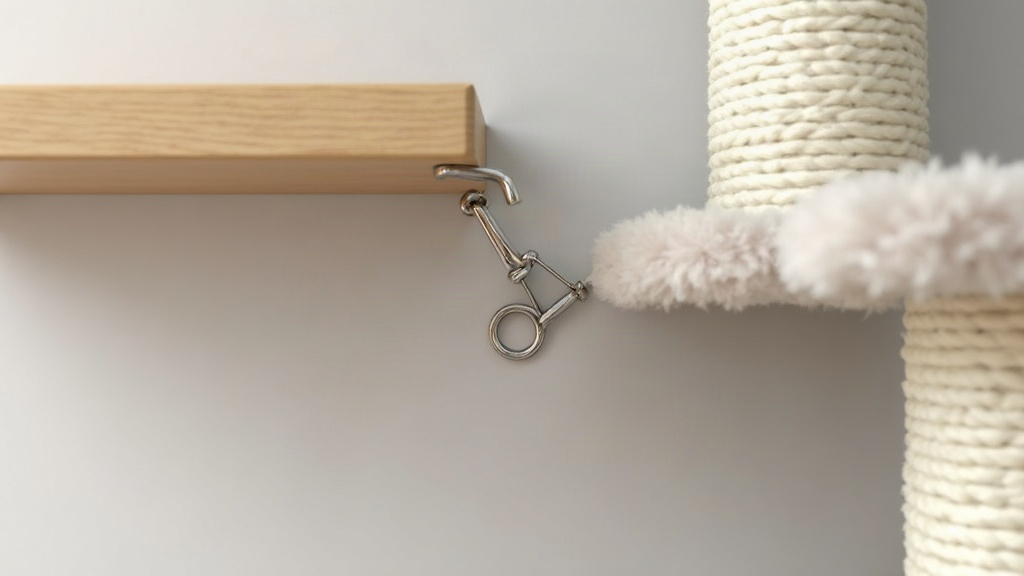
- Forgetting to anchor tall trees. Anything near-ceiling should be wall-anchored, or it’s a tip risk — how to secure a cat tree to a wall.
How to buy right the first time
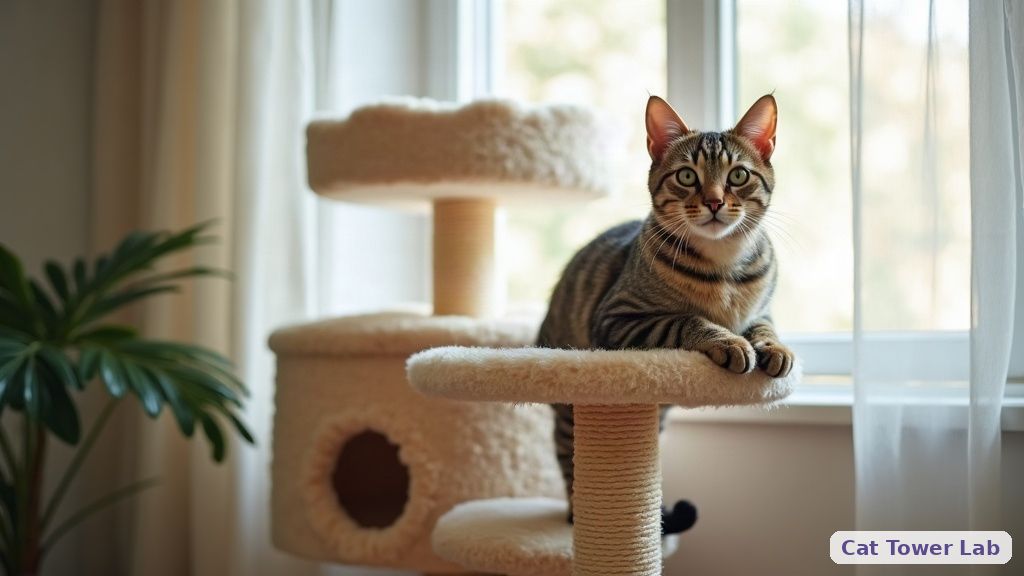
Work in this order: size to your cat → check the base/stability → pick a durable material → confirm enough sisal → plan the spot before it arrives → anchor if tall. A well-chosen tree like the real-wood Armarkat B7701 (wide base, real posts) checks most boxes for most cats. Buy the right thing once and you skip the “cat ignores it” heartbreak entirely.
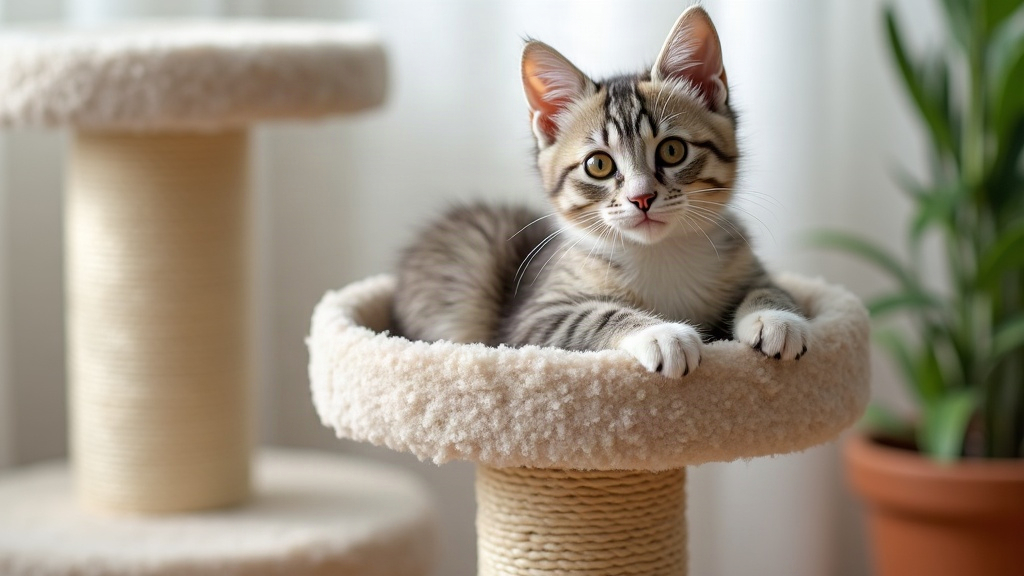
Why won’t my cat use its cat tree?
Usually placement, stability, or size — not the cat. A tree in a quiet corner, one that wobbles, or one too small won’t get used. Move it to a window with sightlines, ensure it’s rock-solid, and give it time with treats/catnip. Our get-your-cat-to-use-it guide has the full method.
What size cat tree should I buy?
Big enough that your cat can fully stretch on a perch and the base is wide relative to the height. Bigger/heavier cats need wider bases and thicker posts. Size to your specific cat, not the “one-size” marketing — details in our size guide.
Are expensive cat trees worth it?
Sometimes — you’re often paying for real wood, a heavier base, and better sisal, which last longer and get used more. But price alone doesn’t guarantee fit; a mid-price tree with the right size and base beats a pricey one that’s wrong for your cat. See luxury cat trees for when premium pays off.
Buy once, buy right
Avoid the seven mistakes above and back it up with basic routine care — our cleaning and maintenance guide covers the small weekly and monthly habits that extend a quality tree’s life to 5-10 years. Wrong tree + neglect fails in a year; right tree + 5-minute weekly = decade of use. Size and stability first, style second, and check the live listing for base width and post thickness before buying.
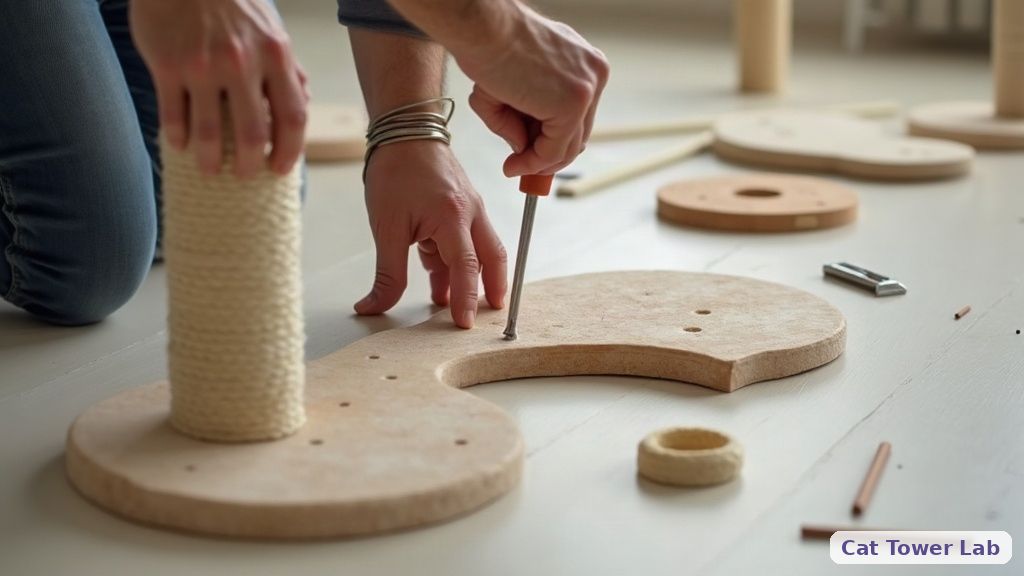
Related: How to assemble a cat tree