How Much Weight Can a Cat Tree Hold? Stability by Cat Size (2026)
As an Amazon Associate I earn from qualifying purchases. Product details may change; verify on Amazon before purchase.
🔍 How this guide was put together (Editorial Standards)
This guide compares options using published manufacturer specifications, patterns in publicly visible owner reviews, and reputable expert sources. We do not operate a physical testing lab; see our how-we-research page for details.
| Rank | Product | Name | Why we picked it | Buy |
|---|---|---|---|---|
| Top pick |  | Armarkat A7202 72-Inch Real Wood Cat Tree (heavy-duty frame) | Check price | |
| Runner-up | 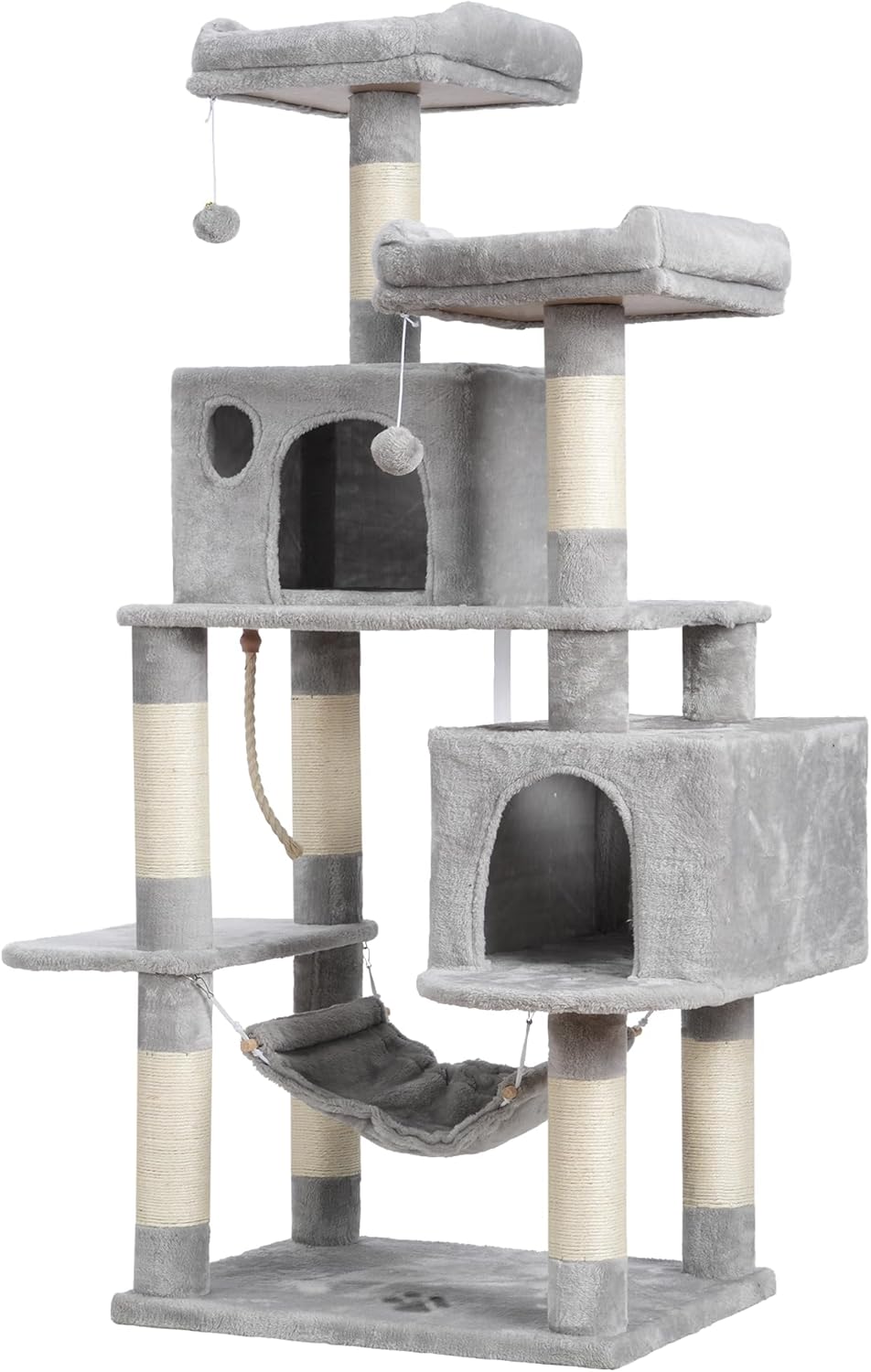 | Hey-brother Cat Tree Tower with Sisal Posts, Big Condo (wide base) | Check price |
“How much weight can it hold?” is the question buyers ask and manufacturers rarely answer — most cat trees don’t publish a weight rating. That’s frustrating for anyone with a 15+ lb Maine Coon or a household of cats that pile onto the same perch. The good news: you can judge a tree’s real capacity from its construction, and this guide shows you how.
Why weight ratings are usually missing
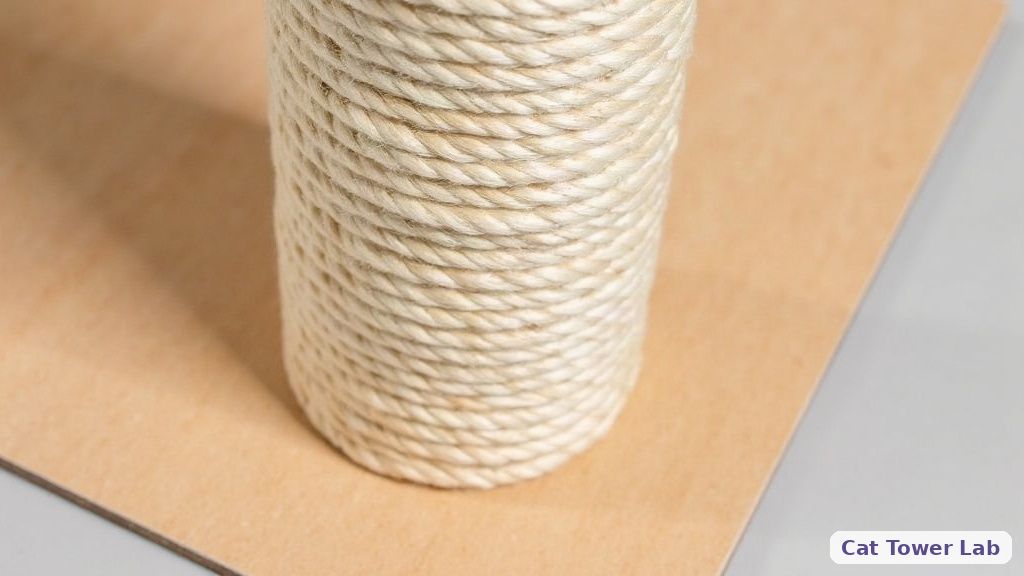
Unlike furniture, cat trees aren’t tested to a standardized load, so brands avoid a number they’d be liable for. What actually determines how much a tree holds isn’t a printed figure — it’s four physical factors: base width and weight, post thickness, materials, and how the platforms attach. Read those and you can tell a wobbler from a workhorse before you buy.
| Factor | What holds more weight | Why |
|---|---|---|
| Base | Wide, thick, heavy MDF/plywood base | Lower center of gravity resists tipping |
| Posts | Thick posts (3.5 in+), solid or real wood | Thin tubes flex and wobble under a big cat |
| Platforms | Bolted/screwed through the post | Stapled-only boards sag and pull loose |
| Material | Real wood / heavy engineered wood | Cheap particleboard fatigues over time |
| Height vs base | Base wider relative to height | Tall + narrow = tippy regardless of weight |
How much does my cat actually weigh — and does jumping matter?
A housecat averages 8–10 lb; large breeds run 12–20+ lb. But the load a perch sees is more than the cat’s static weight — a cat landing from a jump generates a brief impact force noticeably greater than its body weight. That’s why a perch that “should” hold a adequately heavy cat still fails if it’s only stapled on: the dynamic load of the landing rips it loose. Size the tree for the impact, not just the cat on the scale. For picking dimensions overall, see our cat tree size guide.
Which trees hold the most?
For heavy or large-breed cats, prioritize real-wood or heavy engineered-wood frames with wide bases and thick, bolted posts — the construction we break down in our sturdiest cat trees guide and our large-cat picks. A tree that feels rock-solid when you push the top perch by hand (empty) will feel secure to the cat; one that sways empty will sway worse loaded, and cats avoid perches that feel unsafe.
Does anchoring to the wall increase capacity?
Yes — meaningfully. An anti-tip strap from the top of the tree to a wall stud removes the tipping failure mode entirely, letting the structure hold far more effective load and making tall trees safe for big or bouncy cats. It’s the cheapest capacity upgrade there is; our wall-anchoring guide walks through doing it right, and the safety checklist covers the rest.
Multi-cat households

Two or three cats sharing a tree multiply both static and dynamic load, and they tend to chase each other onto it — the worst case for stability. Choose a wide, heavy base, distribute perches at different heights so cats aren’t all on one level, and anchor it. Capacity here is as much about footprint and perch layout as raw strength.
The bottom line
Ignore the missing weight rating and read the build: a wide heavy base, thick bolted posts, and real/engineered wood hold big and multiple cats; thin-tube, staple-only, tall-and-narrow trees don’t. Account for jump impact forces (well above static body weight), push-test for wobble before trusting it, and anchor to the wall to remove tipping. Do that and “how much weight can it hold?” stops being a guess.