Cat Tree Materials Explained: Sisal, Carpet, Wood & Plush (2026 Buyer's Guide)
As an Amazon Associate I earn from qualifying purchases. Product details may change; verify on Amazon before purchase.
🔍 How this guide was put together (Editorial Standards)
This guide compares options using published manufacturer specifications, patterns in publicly visible owner reviews, and reputable expert sources. We do not operate a physical testing lab; see our how-we-research page for details.
📑 Table of contents
- Why materials matter more than brand or price
- The scratching surface: sisal is the winner (with nuance)
- Perches and platforms: carpet vs plush vs faux fur
- The structural core: solid wood, plywood, particleboard, or cardboard
- Rope, fabric, and stitching quality
- Additional materials to know
- What to look for on a listing — the 60-second materials check
- Matching materials to your cat’s personality
- Maintenance by material
- Frequently asked questions
The single biggest reason a cat ignores a brand-new cat tree isn’t price, brand, or even height — it’s the materials. The wrong surface on the posts means your cat keeps scratching the sofa. The wrong core means the tree wobbles within weeks. The wrong perch fabric mats and smells over time. This deep guide walks through every material used in cat trees, what each one is genuinely good for, what to avoid, and which specific trees get the material choices right.
Why materials matter more than brand or price
A expensive tree with a hollow cardboard core and thin carpet posts fails faster and gets used less than a budget tree with a solid wood core and thick sisal. Cats vote with their claws — and they overwhelmingly choose sisal posts on stable, heavy trees. Understanding materials means you can walk into any listing and predict, just from the spec sheet, whether your cat will love it or ignore it.
The scratching surface: sisal is the winner (with nuance)
Sisal is a natural plant fibre that shreds slowly under claws — exactly what a cat wants. It’s the closest domestic equivalent to tree bark, which is what cats evolved to scratch. There are two forms of sisal used on cat trees, and the difference matters:
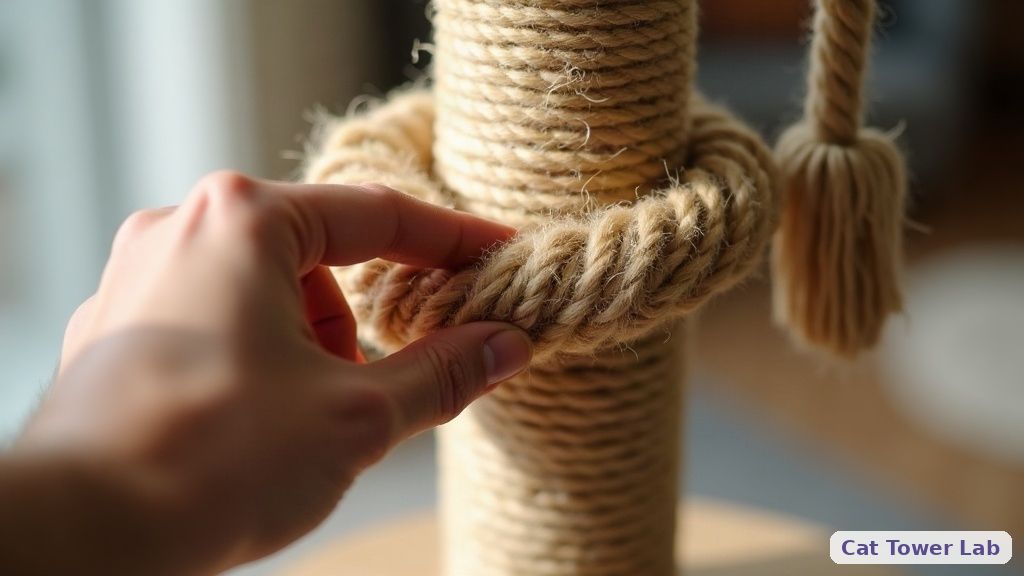
Sisal rope (wrapped around posts)
The most common — a rope of sisal wound tightly around a solid or hollow core. Very durable when the rope is tightly wound and the ends are secured. The failure mode: cheap trees leave the rope ends loose, and after relatively quickly they unravel where the cat scratches most. Look for glued or stapled ends in listings and owner photos.
Sisal fabric (flat weave)
Less common but longer-lasting than rope on average. The flat weave doesn’t unravel and holds up to intense scratching. Cats with softer paws (many indoor cats) sometimes prefer it over rope. If you can find it, it’s often the better choice for dedicated scratchers.
What to avoid: carpet on scratching posts
Some budget trees wrap posts in carpet instead of sisal. This is a double loss: carpet doesn’t shred cleanly (so cats find it less satisfying), and it teaches your cat that carpet = scratchable, which can transfer to your floor carpet. Skip carpet-post trees.
The classic sisal-heavy pick
For serious scratchers, an all-sisal-post tree with a solid wood core is the long-lived choice:
Perches and platforms: carpet vs plush vs faux fur
Cats spend far more time lounging than scratching, so perch material matters for whether the tree gets used at all.
Short-pile carpet
Comfortable and grippy for jumping onto. Traps hair a bit but vacuums cleanly. The middle-of-the-road choice — durable, easy to clean, cats like the texture.
Plush / faux fur
Softest and most inviting for sleepers. Cats love it. Downsides: mats within over time of heavy use, shows dirt faster, harder to clean. Best used on the top perch (where cats sleep) rather than lower play platforms.
What to avoid: shiny synthetic fabrics
Anything slick — vinyl, glossy synthetics, some cheap upholstery — feels wrong under paws and cats avoid it. If the material looks like something from a car seat rather than a soft toy, skip it.
The structural core: solid wood, plywood, particleboard, or cardboard
This is invisible in listings but decides how long the tree lasts and whether it wobbles.
- Solid wood — heaviest, most stable, longest-lasting. Premium trees only. If a tree’s weight seems high for its size, that’s usually solid wood inside.
- Thick plywood — nearly as good as solid wood at lower cost. The sweet spot for most quality trees.
- Particleboard / MDF — cheaper, holds together fine but can sag under heavy weight over years. Fine for smaller cats.
- Hollow cardboard — the source of most “wobbly after a month” complaints. Cardboard-cored posts flex under a jumping cat, joints loosen, and the tree becomes unstable. Common in the cheapest trees. Avoid for big or active cats.
Our stability deep-dive explains the physics of why hollow cores fail — it’s not a manufacturing defect, it’s design.
A heavy-duty tree with a genuinely solid core
Rope, fabric, and stitching quality
Small details that predict lifespan:
- Stitching on plush covers: reinforced double-stitching lasts; single loose stitches unravel.
- Rope ends: look for glued, stapled, or tucked ends. Loose rope ends guarantee unravelling over time.
- Cover material attachment: staples underneath (visible if you tilt the perch) beat glue-only construction, which peels.
Additional materials to know
- Hammocks: usually plush stretched over a metal frame. Cats love them. Check the frame material — steel wire beats plastic, which bends over time.
- Sisal mats or scratching pads: often included as inserts. A nice extra; don’t buy a tree for them.
- Cardboard scratcher inserts: cheap, recyclable, and many cats love them for a change of texture. Shred fast but easy and cheap to replace.
What to look for on a listing — the 60-second materials check
Before you buy any cat tree, verify:
- Posts wrapped in sisal (rope or fabric), not carpet.
- Ends of sisal secured — visible in owner photos or product description.
- Structural core mentioned as solid wood or plywood (particleboard okay for small cats; cardboard avoid).
- Perch fabric that fits your cat — plush for sleepy cats, short carpet for active jumpers.
- Weight rating stated per perch, especially for large cats — see our large-cat guide.
If any of these can’t be verified from the listing plus owner photos, treat it as a warning sign.
Matching materials to your cat’s personality
- Serious scratcher → thick sisal-rope posts on solid core (Armarkat-style).
- Sleeper who barely scratches → plush top perch, less critical on post material.
- Multi-cat home → durable everything — sisal fabric posts, tight stitching, heavy base.
- Kittens → softer plush okay, but avoid tall trees regardless of material — see trees for kittens & seniors.
- Big cats → solid wood core is strongly recommended; post diameter matters more than post covering.
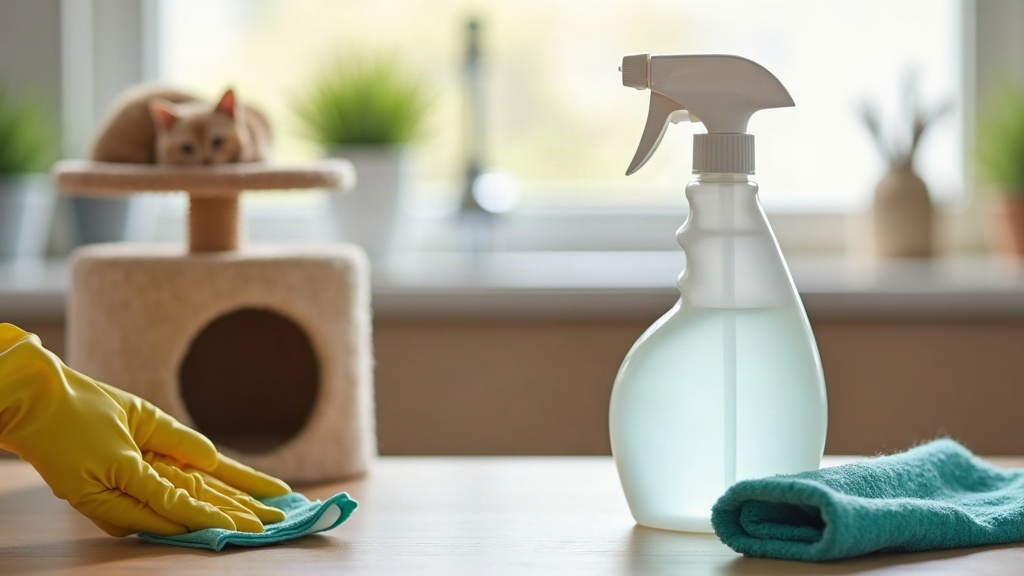
Maintenance by material
Different materials need different care:
- Sisal: vacuum or wipe monthly; tuck any loose ends and re-glue if needed.
- Plush / faux fur: brush with a rubber pet-hair brush weekly; light baking soda then vacuum for odours.
- Carpet: vacuum weekly; spot-clean stains with pet-safe enzymatic cleaner.
- Solid wood exposed surfaces: dry cloth only; avoid soaking.
Our cleaning guide has the full maintenance schedule.
Frequently asked questions
Is sisal safe if my cat eats a little? Small amounts of sisal fibre are generally considered safe by veterinarians. Watch for large chunks (rare) or if your cat is a compulsive chewer — some do prefer rope you can replace.
Can I re-wrap sisal on an old tree? Yes — sisal rope is cheap and re-wrapping a bare post can significantly extend a tree.s useful life. Videos on YouTube walk through it in 15 minutes.
Why does my new tree already smell? New plush often carries factory smell for a few days. Air it out; if it persists, the cover may have been treated with something. A gentle baking-soda + vacuum reset usually clears it.
Cardboard tree base — good or bad? Fine for a small cat and short-term use. For long-term or big-cat use, insist on wood.
Related: best cat trees for large cats · sturdiest anti-wobble trees · how to get your cat to use their tree
Related: Cat tree vs scratching post
Related: Common cat tree buying mistakes