How to Get Your Cat to Actually Use Their Cat Tree — 2026 Playbook
As an Amazon Associate I earn from qualifying purchases. Product details may change; verify on Amazon before purchase.
🔍 How this guide was put together (Editorial Standards)
This guide compares options using published manufacturer specifications, patterns in publicly visible owner reviews, and reputable expert sources. We do not operate a physical testing lab; see our how-we-research page for details.
📑 Table of contents
- Step 1: Diagnose why it’s being ignored
- Step 2: Fix placement (free, biggest impact)
- Step 3: Add scent and rewards
- Step 4: Feed the scratching instinct
- Step 5: Fix the tree itself if placement + scent don’t work
- Step 6: Multi-cat homes need vertical territory per cat
- How long to give a new tree
- Warning signs it will never be used
- Special cases
- Frequently asked questions
A surprising number of cat trees get ignored for weeks or months. The good news: it’s almost never a defective tree — it’s placement, attraction, or design mismatch, and every one of those is fixable. This playbook walks through the exact steps in order, from cheapest fix to biggest, so you can rescue a tree your cat is snubbing without buying a new one first.
Step 1: Diagnose why it’s being ignored
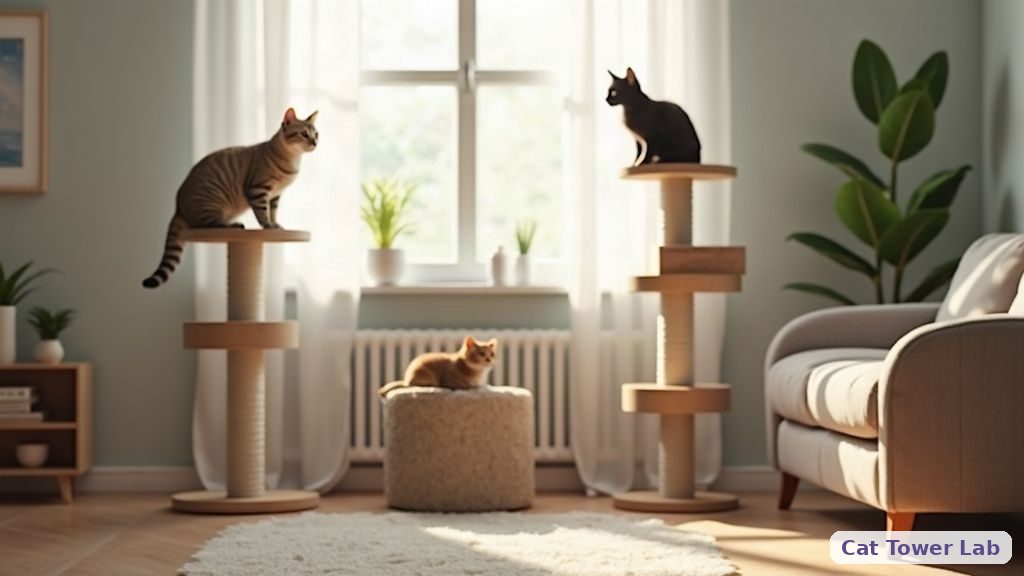
Before you buy anything or move furniture, figure out which category the problem falls into:
- Placement: the tree is in a low-traffic room, away from windows, or isolated from where the family hangs out. This causes a common cause of cats ignoring their tree.
- Instability: cats instinctively avoid wobbly perches. Push the top of the tree — if it rocks, that’s likely the problem. See our stability guide.
- Size mismatch: perches too small for your cat’s body, or tree too tall for a timid cat. See our sizing guide.
- Wrong surfaces: carpet-wrapped posts (cats want sisal), plush that mats, or slippery synthetic covers. See our materials guide.
- Scent / novelty: brand-new tree smells like factory, not home.
Step 2: Fix placement (free, biggest impact)
Cats want three things from a location:
- A view — window overlooking a garden, street, or bird feeder is ideal.
- Height with a sightline — cats like to watch room entrances.
- Proximity to their people — cats are social; a tree in an empty room loses.
Best spots: near a sunny window in the living room, a corner overlooking the room, or next to furniture your cat already scratches (redirects that behaviour to the sisal posts). Full breakdown in our placement guide.
Just moving a tree 3 metres to the right window has flipped “ignored” to “favourite spot” for many owners — try before you buy anything else.
Step 3: Add scent and rewards
Once placement is right, help your cat discover the tree as their territory:
- Rub the posts with catnip or silvervine. Silvervine works on many cats who don’t respond to catnip — worth trying if catnip did nothing.
- Add a blanket that already smells like your cat. Familiar scent = “mine”.
- Reward exploration. When your cat sniffs, scratches, or climbs, calmly offer a treat or praise. A few days of this builds a habit.
- Never force. Picking up a cat and plonking them on the tree can create negative association. Let curiosity do the work.
Step 4: Feed the scratching instinct
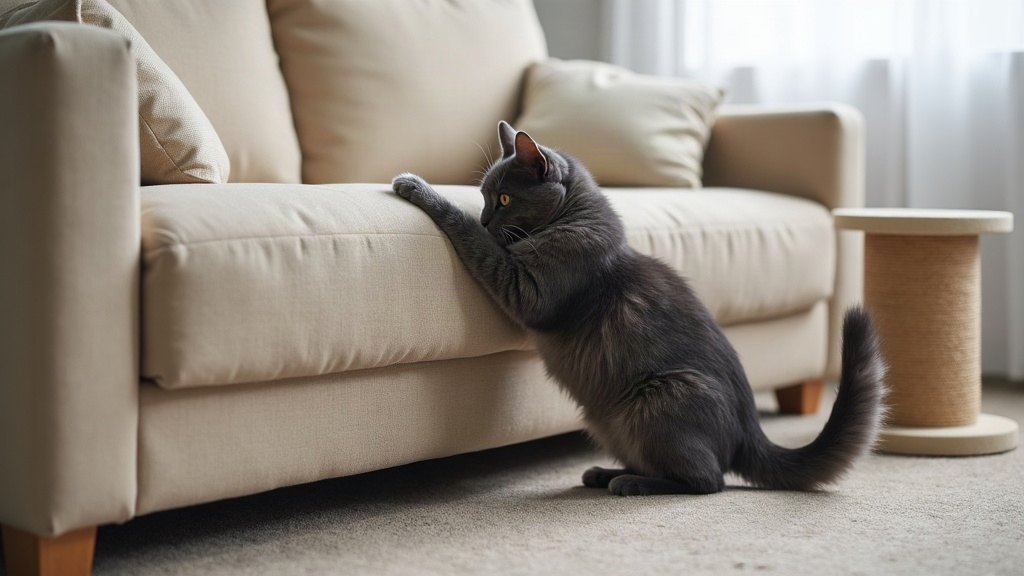
If your cat scratches furniture, place the tree right next to that furniture first, with sisal posts facing where they scratch. Cats scratch to stretch and mark territory; give them a better option in the same location and they’ll usually switch within days.
After they’ve adopted the tree as their scratching zone (1-2 weeks), you can slowly move it to its final position, 30 cm at a time. Move too fast and they revert.
Step 5: Fix the tree itself if placement + scent don’t work
If a week of good placement + catnip + rewards doesn’t do it, the tree is likely the problem:
- Wobbly? Re-tighten every bolt from underneath. Add a plywood board under the base on carpet. Use the wall strap. See anti-wobble guide.
- Perches too small? No fixing that. You need a bigger tree — see sizing.
- Wrong surface (carpet posts instead of sisal)? Cats vote strongly for sisal. Consider a replacement.
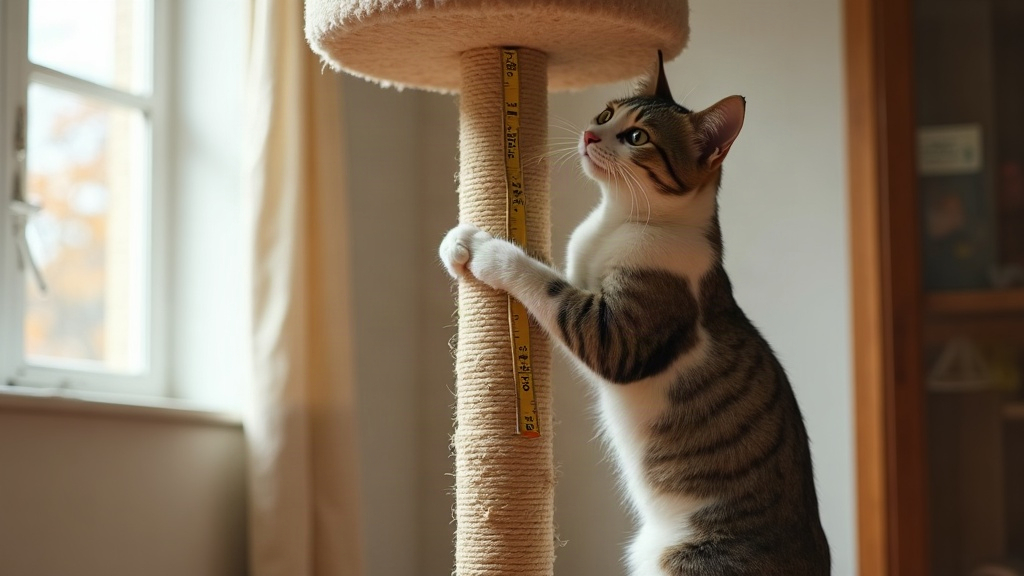
If it’s time for a replacement, the trees least commonly reported as “ignored” are ones with wide bases, thick sisal posts, and multiple varied perches:
Step 6: Multi-cat homes need vertical territory per cat
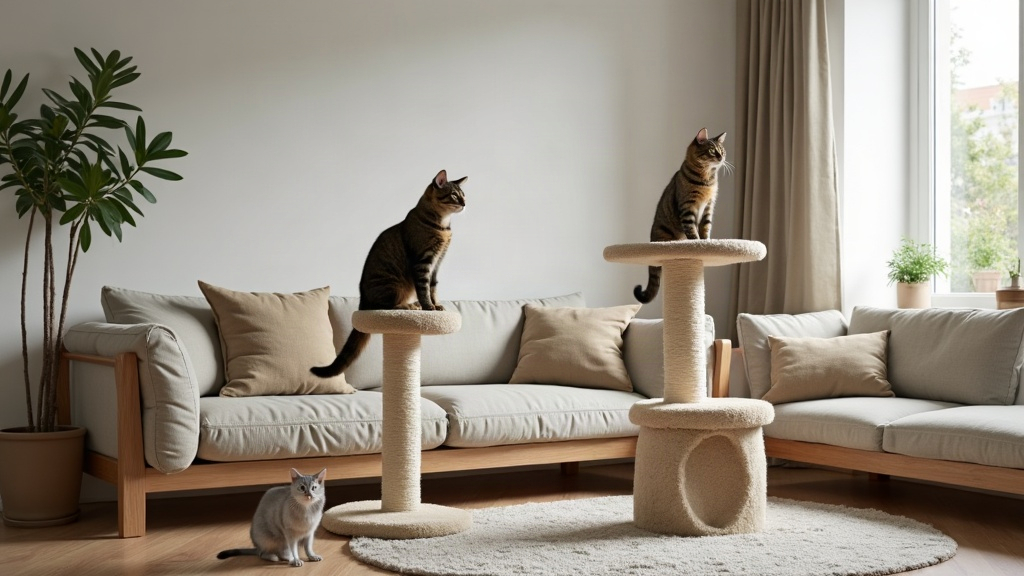
In multi-cat homes, one cat can “own” a tree and chase the others off. Signs: one cat uses it, others stay away. Fix: add a second tree in a different room, or a wall-shelf run (see wall-mounted shelves) so each cat has their own vertical zone.
How long to give a new tree
New objects can take 1-2 weeks to be accepted as normal. Don’t relocate it every day or you’ll never learn which position works. Pick a good spot per Step 2, apply Steps 3-4, and give it two weeks before concluding it’s not working.
Warning signs it will never be used
Rare, but real:
- Tree smells strongly of chemicals even after 2 weeks of airing.
- Perches are visibly too small for your cat and can’t be modified.
- Base rocks even after re-tightening + shimming.
- Sisal is so tightly wound or shellacked that claws slip off.
Any of these = replace rather than persist.
Special cases
Older cat suddenly stops using their tree
Usually arthritis or reduced jumping ability. Add a step or ramp, or swap for a lower-profile tree — see seniors guide.
Kitten scared of the tree
Some kittens are startled by tall trees. Start with a small tree or a base-only scratcher; introduce a bigger tree as they gain confidence at 5-6 months.
Cat only uses one perch
Fine. Cats have preferences. If they’re using and scratching something, the tree is working — you’re not obligated to make them use every level.
Frequently asked questions
Should I put treats on the tree to lure my cat? Occasionally, yes — as a reward when they explore. But don’t leave food on it permanently (it teaches them to hunt for food there, not lounge).
Is catnip safe? What about silvervine? Both are generally considered safe for most cats by veterinarians. Silvervine actually works on more cats than catnip. Neither is addictive.
My cat prefers the box the tree came in. Common and hilarious. Usually means the tree isn’t offering something the box does — a small enclosed space. Look for a tree with a condo/cave section.
Can I train a cat to use a tree like you’d train a dog? Sort of — reward the behaviour you want (exploring, scratching in the right place). Punish nothing. Cats respond to positive reinforcement, ignore punishment, and hold grudges.
Related: where to place a cat tree · materials guide · sturdiest anti-wobble trees
Related: Cat tree vs a scratching post