Do Cats Really Need a Cat Tree? The Behavior Case for Vertical Space (2026)
As an Amazon Associate I earn from qualifying purchases. Product details may change; verify on Amazon before purchase.
🔍 How this guide was put together (Editorial Standards)
This guide compares options using published manufacturer specifications, patterns in publicly visible owner reviews, and reputable expert sources. We do not operate a physical testing lab; see our how-we-research page for details.
| Rank | Product | Name | Why we picked it | Buy |
|---|---|---|---|---|
| Top pick | 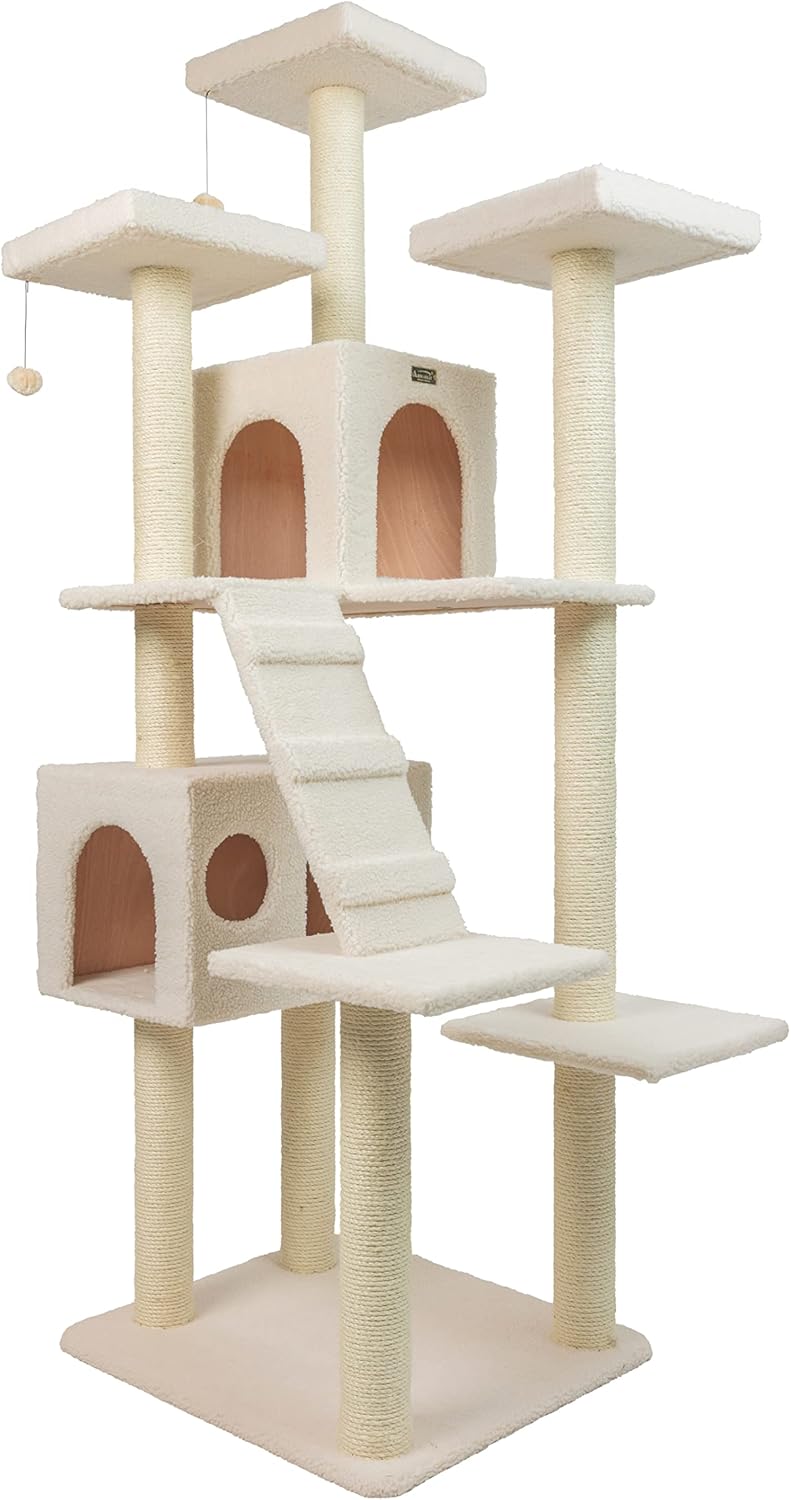 | Multi-level cat tree (vertical territory for climbing and perching) | Check price | |
| Runner-up |  | Compact cat tower (vertical space without a large footprint) | Check price |
“Do I actually need to buy this?” is a fair question when a good cat tree costs more than a piece of real furniture. The honest answer: a cat tree is not strictly required the way food, water, and a litter box are — but it addresses a genuine, well-documented behavioral need, and for most indoor cats the alternatives are worse for your home and your cat. Here’s the reasoning, not the sales pitch.
Cats are a vertical species
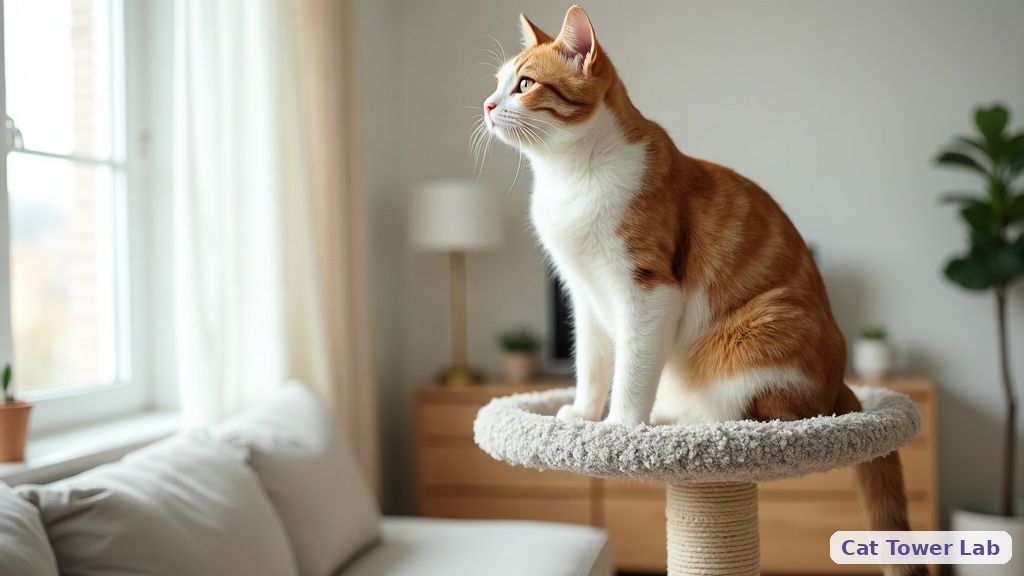
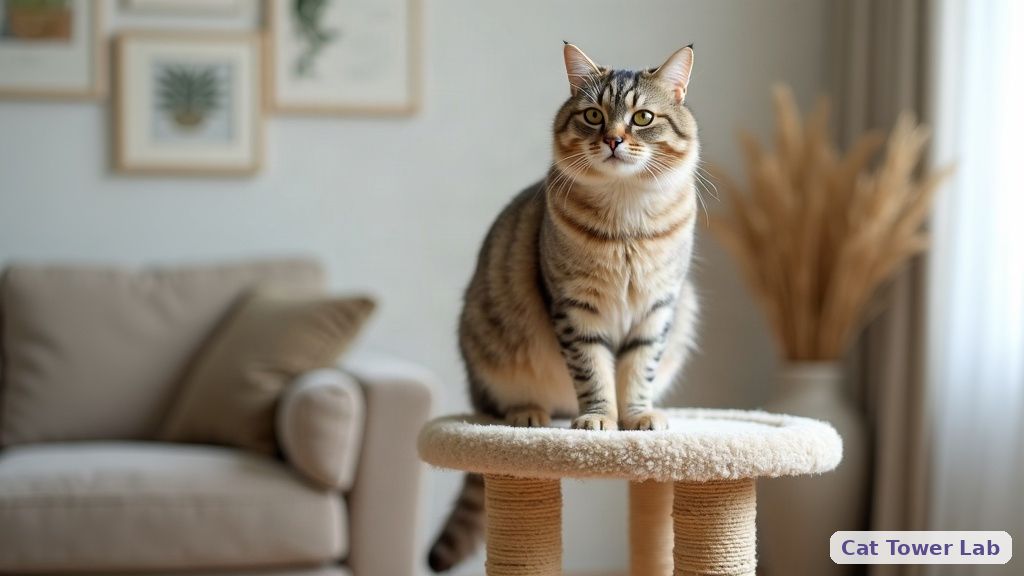
Domestic cats retain the instincts of a small predator that is also potential prey. In the wild, height means safety (a vantage point to watch for threats) and opportunity (a place to spot prey). Indoors, that instinct doesn’t switch off. The Cornell Feline Health Center and feline behavior specialists consistently describe vertical territory as an environmental need, not a luxury — cats use height to feel secure, to rest undisturbed, and to share a home with other cats or people without conflict.
Give a cat no legitimate high ground and it makes its own: the top of the fridge, bookshelves, the back of the sofa, kitchen counters. A cat tree isn’t adding a want — it’s redirecting a need onto a surface you chose instead of one you didn’t.
What does a cat tree actually do for a cat?
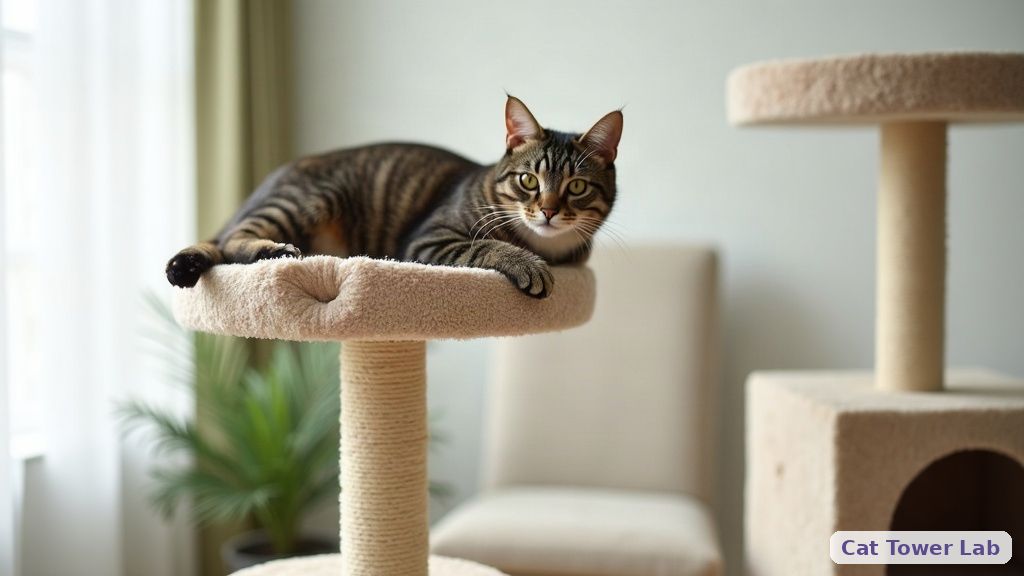
- A claimed resting spot. Cats sleep 12–16 hours a day and want a spot that is theirs, ideally elevated and away from floor traffic.
- Safe observation. A high perch lets a cat watch the room — reassuring for nervous cats, and enriching for bored ones. This is why placement near a window matters; see our room-by-room placement guide.
- Legitimate scratching. Sisal posts give claws a vertical target, sparing your couch — the same reason we compare a cat tree vs a scratching post.
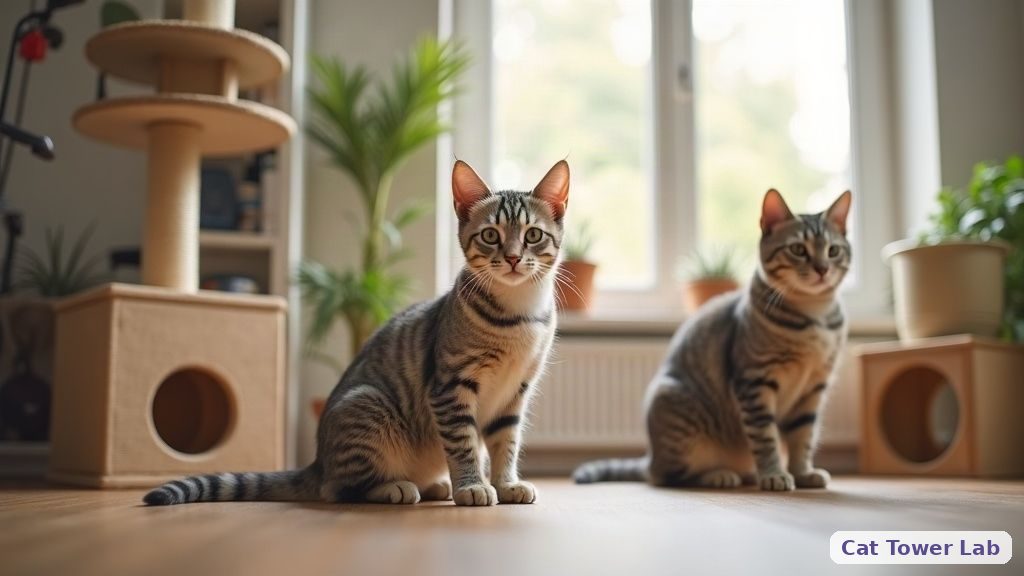
- Conflict reduction in multi-cat homes. Vertical layers multiply usable territory so cats can time-share space; we cover the math in cat trees for multiple cats.
Which cats need one most?
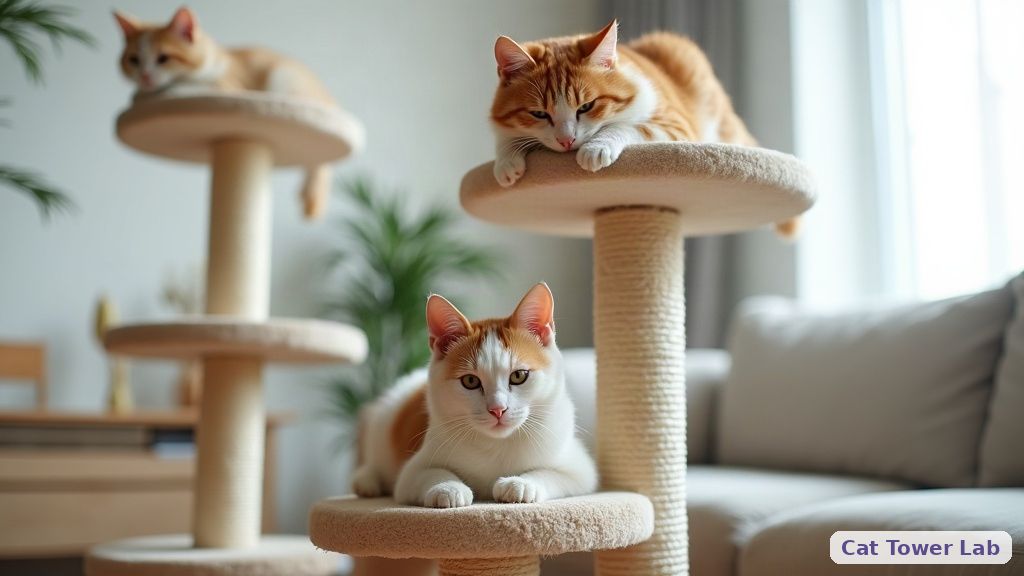
Not every cat has the same need. The case is strongest for:
| Situation | Why vertical space matters |
|---|---|
| Indoor-only cats | No outdoor territory to patrol — indoor height replaces it |
| Multi-cat homes | Extra layers reduce territorial friction and blocking |
| Shy or anxious cats | An elevated retreat lowers stress; see our anxious-cat guide |
| Small apartments | Vertical space adds territory without floor space |
| Homes with counter-surfers | A better high spot competes with the counter |
When might you skip a full cat tree?
If your cat already has plentiful, cat-approved height — tall accessible shelving, a window perch, cat-safe furniture it’s allowed on — you may not need a floor-standing tower. In that case, wall-mounted cat shelves can deliver the same vertical territory with a smaller footprint. The need is vertical space, and a tree is the most common way to meet it, not the only one.
Will my cat even use it?
This is the real worry behind “do I need one,” and usage is mostly about placement and fit, not the cat. A tree parked in a quiet corner facing a wall gets ignored; the same tree by a window in a room the family uses gets claimed within days. Size matters too — a tree too small or too wobbly for your cat feels unsafe and goes unused. Our guides on choosing the right size and getting your cat to use it cover the fixes.
The bottom line
A cat tree is not a legal requirement of cat ownership, but “need” in behavioral terms is real: indoor cats need vertical territory, and a tree is the simplest, most reliable way to provide it. Skip it only if your cat already has safe, claimed height elsewhere. Buy one — the right size, in the right spot — if your cat is scaling the furniture, hiding under the bed, or sharing a home with other cats. It’s less “pet accessory” and more “the part of the habitat your walls forgot.”