Best Cat Tree Placement: Window, Corner, or Living Room?
As an Amazon Associate I earn from qualifying purchases. Product details may change; verify on Amazon before purchase.
🔍 How this guide was put together (Editorial Standards)
This guide compares options using published manufacturer specifications, patterns in publicly visible owner reviews, and reputable expert sources. We do not operate a physical testing lab; see our how-we-research page for details.
📑 Table of contents
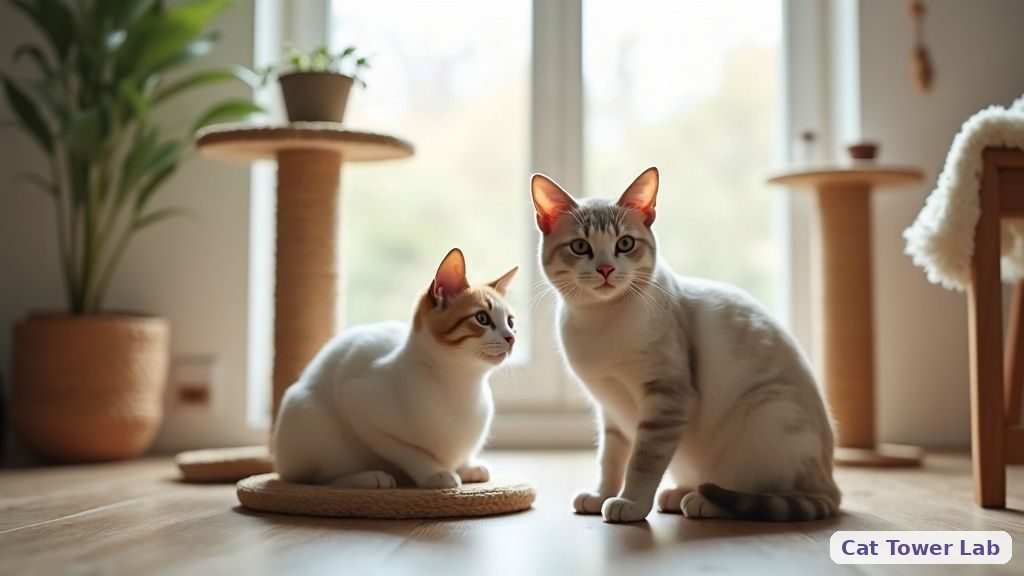
Best placement in most homes: Living room, by a window that overlooks outside activity, positioned so the cat can see the room’s entrance. This combines all three things cats want: height with a view, sightline to doors, and proximity to their humans.
What cats want from a location
Cats don’t care about your decor — they care about vantage. Three factors determine whether a cat uses a tree or ignores it:
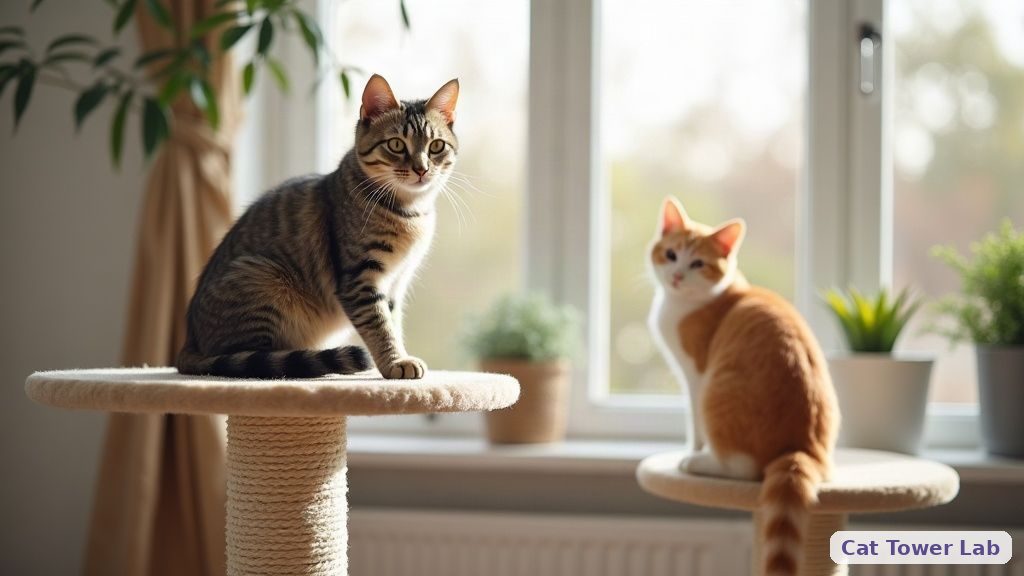
1. Height with a view. Cats evolved as ambush predators. Height gives them safety AND stimulation from watching movement below. Trees near windows overlooking gardens, streets, or bird feeders outperform trees against blank walls (Cornell Feline Health Center).
2. Sightline to the room’s entrance. Cats want to see who comes in. A tree in a corner that overlooks the doorway gets used more than one against the same wall as the door.
3. Proximity to humans. Cats are more social than most people realize. A tree in the living room where the family spends evenings gets used far more than the same tree in a spare bedroom.
Window placement
Pros:
- Natural stimulation (birds, squirrels, passing cars)
- Sunlight for warming
- Clear sightline to outside threats/prey
- Most cats’ preferred location
Cons:
- May overheat in direct afternoon sun
- Drafty in winter near old windows
- Requires clearance for blinds/curtains
When it works best: South or east-facing windows with morning sun. Windows with bird feeders visible. Ground-floor windows with garden views.
When to avoid: West-facing windows that get hot afternoon sun in summer. Windows you need to keep curtains closed for privacy.
Corner placement
Pros:
- Maximizes floor space
- Two walls for potential wall-strapping
- Feels “protected” to anxious cats
- Often has sightline to room entrance
Cons:
- May be too isolated from household activity
- Corner behind furniture = hidden = unused
- Dark corners get less use than sunny spots
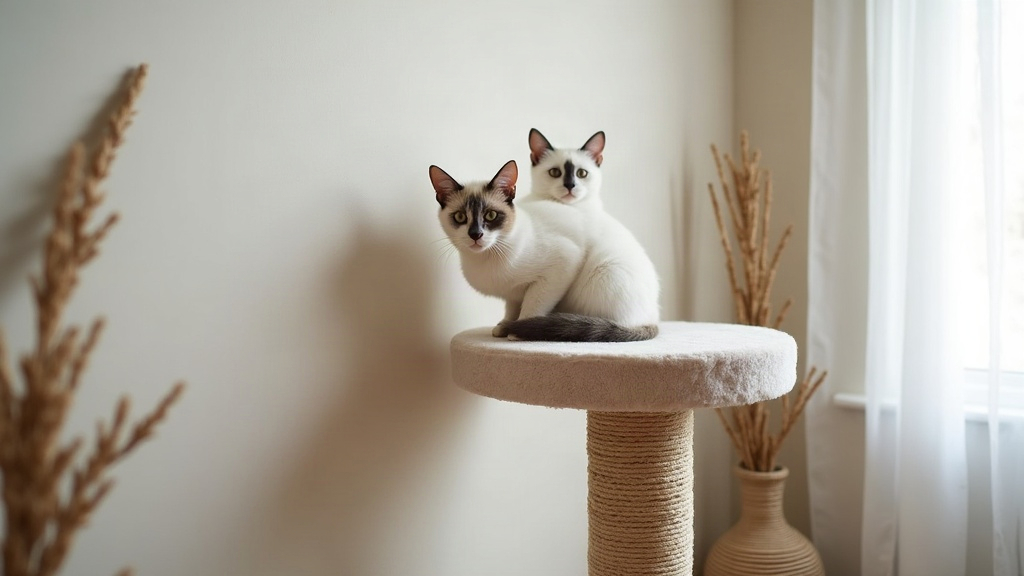
When it works best: Corners near windows. Corners in rooms where you spend time. Corners visible from the main seating area.
When to avoid: Corners behind couches or desks. Corners in low-traffic rooms. Dark corners far from windows.
✅
The isolation test: If you can't see the cat tree from your usual seat without turning around, it's too isolated. Cats want to be where you are, watching what you watch.
Living room vs bedroom vs spare room
Living room (best in most homes):
- Where the family spends time = where cats want to be
- Usually has the best windows
- High traffic = high use
Bedroom:
- Works if your cat sleeps with you
- Bedroom window can be a secondary perch
- Only if the bedroom is accessible during the day (not closed)
Spare room / home office:
- Worst placement unless you work from home
- “Out of sight, out of use” — the #1 placement mistake
- A tree in a guest room “to save living room space” will be ignored
Spots to avoid
Isolated spare rooms: Out of sight = out of use. This is the single most common mistake — buying a tall tree and putting it where you have space rather than where the cat wants to be.
Next to noisy appliances: Washing machines, dishwashers, loud fans. Cats avoid startle zones.
Blocking a walkway: You’ll subconsciously bump the tree. Cats notice instability from repeated knocks.
Directly under low shelves or ceiling beams: Cat launches up, hits head, learns to distrust the tree.
Against radiators or heating vents: Cats like warm spots but overheating makes them avoid the area.
Multi-cat home placement
In multi-cat homes, one cat can claim the tree and block others. Signs: one cat uses it constantly, others approach but don’t climb.
Solutions:
- Two smaller trees in different rooms beats one large central tree
- Add wall-mounted shelves for alternative vertical territory
- Choose trees with multiple isolated perches at different heights
See our multi-cat tree guide for specific product recommendations.
What to do if placement isn’t working
If you’ve had the tree for weeks and it’s ignored:
- Move it to the living room by a window — costs nothing
- Refresh scent — catnip or silvervine on the posts
- Add a familiar blanket on the top perch
- Wait 5-7 days in the new spot before judging
70% of “ignored” trees start getting used just from moving to the right spot. See our getting cats to use their tree guide for more troubleshooting.
Rental apartment considerations
Wall strapping is the safest option for stability, but requires a small anchor hole. Options:
- Check your lease — many allow small holes if patched at move-out
- Use a shorter, wider-base tree that’s stable without anchoring
- Removable adhesive anchors (less secure but no holes)
See our small apartment guide for space-efficient options.
Frequently asked questions
Can I put a cat tree outside? Not permanently — weather ruins sisal and fabric. On a covered balcony in shade, it can work if brought in during rain.
How far from the wall should the tree be? Flush against the wall is fine and better for wall strapping. Leave 2-3 inches if you need to access blinds or outlets.
My cat prefers the top of the fridge. What does that mean? They want high vantage in a room where you spend time. Put the tree in the kitchen or wherever they naturally lounge.
Window or corner — which is better? Window. Cats prioritize visual stimulation over the “protected” feeling of corners. A corner BY a window is the ideal compromise.
Related: where to place a cat tree · why cat ignores cat tree · cat towers for small apartments