Designer Cat Trees: Stylish Towers That Still Hold a Real Cat (2026)
As an Amazon Associate I earn from qualifying purchases. Product details may change; verify on Amazon before purchase.
🔍 How this guide was put together (Editorial Standards)
This guide compares options using published manufacturer specifications, patterns in publicly visible owner reviews, and reputable expert sources. We do not operate a physical testing lab; see our how-we-research page for details.
| Rank | Product | Name | Why we picked it | Buy |
|---|---|---|---|---|
| Top pick |  | Armarkat A7202 72-Inch Real Wood Cat Tree (natural-wood look, genuinely stable) | Check price | |
| Runner-up |  | Hey-brother Cat Tree Tower with Tiered Padded Platforms & Condos (clean neutral palette) | Check price | |
| Also great |  | Amazon Basics Cat Tower with Hammock and Scratching Post (compact, minimalist) | Check price |
📑 Table of contents
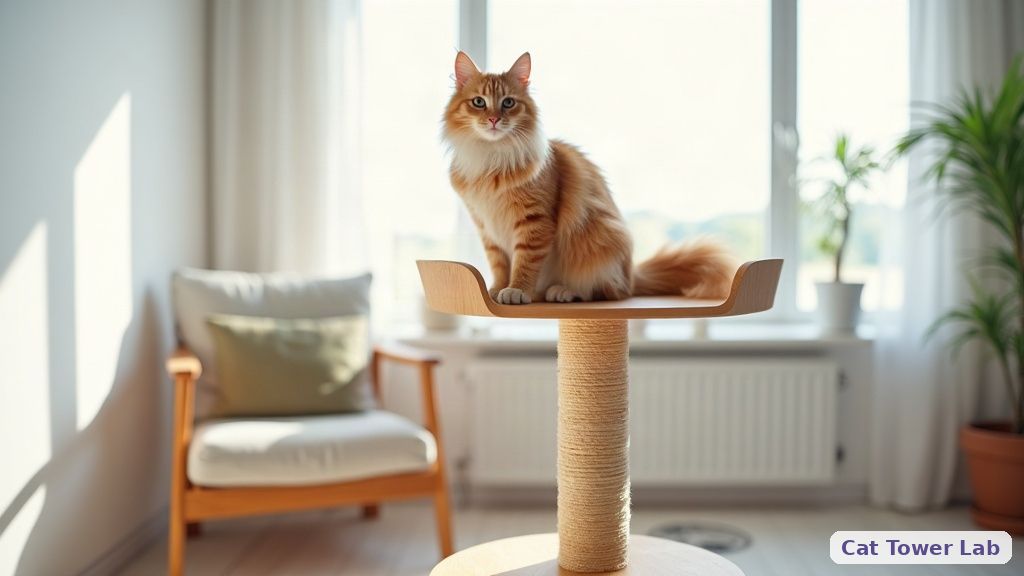
“Designer cat tree” usually means one of two things: a genuinely well-built piece in natural materials that happens to look good, or a carpet-and-particleboard tower with a trendy color and a stylish product photo. The difference matters because the second kind photographs beautifully and then wobbles the first time a 12-pound cat launches onto the top perch — and a cat that doesn’t trust a tree simply stops using it.
What separates a designer tree from a dressed-up cheap one
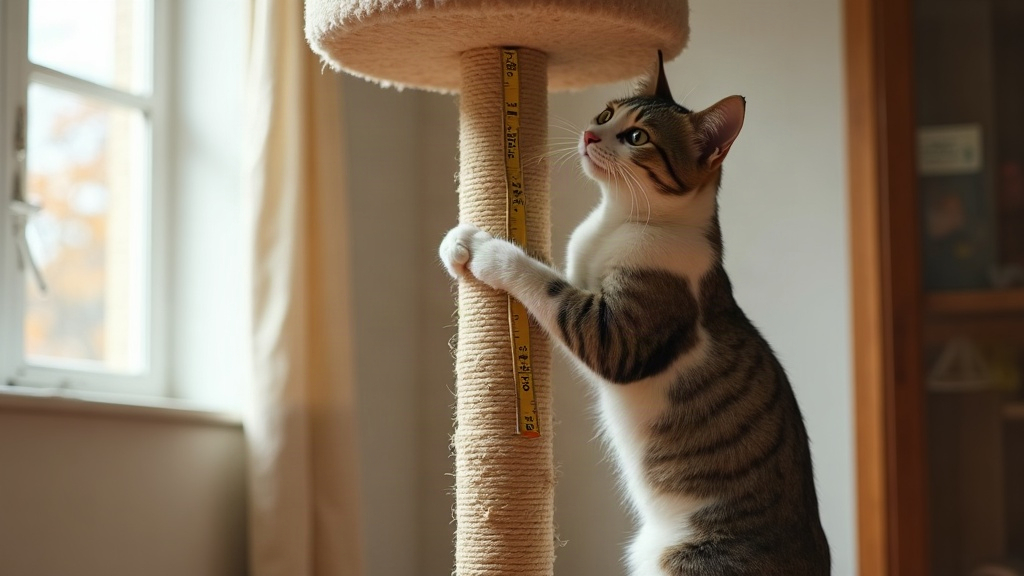
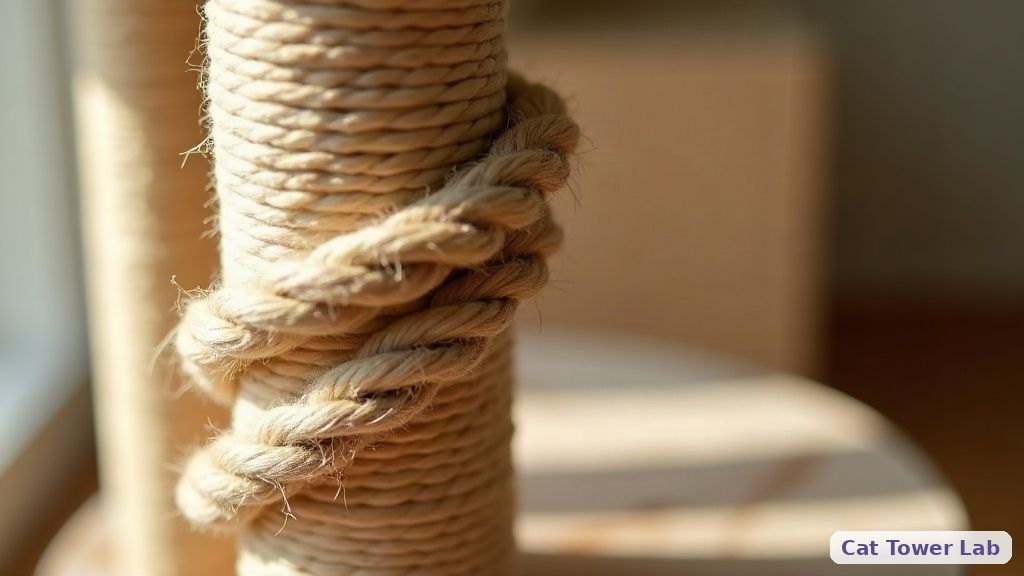
Material honesty. Real-wood posts, solid plywood platforms, and natural sisal age well and stay rigid. “Designer” trees that use hollow tubes or thin MDF look modern on day one and sag over time. Run your eye down the post: a 2.5–3 inch solid pole is the tell.
Base-to-height ratio. Style pieces love a slim base for a sleek silhouette — which is exactly what makes them tip. For any tree over 50 inches, the base should be at least 16 x 16 inches, and ideally the tree ships with a wall-anchor strap. See our full anti-wobble stability breakdown.
How much does looks cost you in stability?
Here’s the trade-off in numbers. A traditional plush tower puts most of its mass low and wide, giving a tip angle well past 20°. Many minimalist “designer” trees narrow the base to ~14 inches, dropping the tip angle to around 10–12° — still fine for a calm cat, risky for a jumper. The fix isn’t avoiding style; it’s choosing style pieces that keep a wide base or bolt to the wall.
Which designer styles actually suit cats
- Natural-wood + sisal: ages best, matches Scandinavian and mid-century rooms, and cats love real sisal. The most reliable “looks good + works” category.
- Neutral-fabric tiered towers: clean grays and creams that disappear into a modern room; fine if the base is wide.
- Wall-mounted shelves: the most design-forward option and zero floor footprint — but a different install job entirely. See our wall-mounted cat shelves guide.
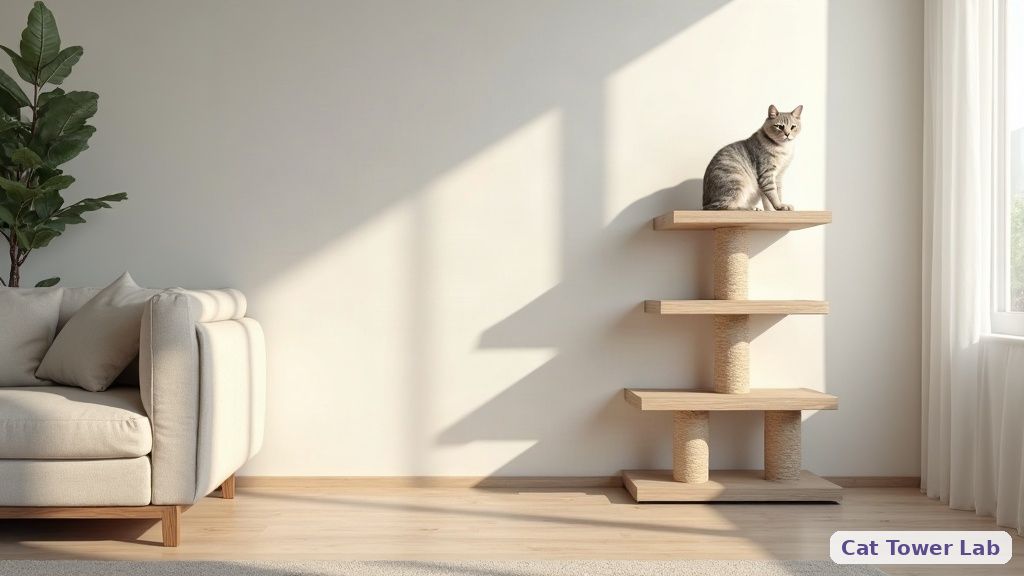
Top designer-style picks that pass the stability test
The picks below were chosen because they look at home in a styled room and hold a real adult cat without wobble — natural materials, sensible bases, solid posts.
Does a stylish tree still need to match your cat?
Yes — aesthetics never override fit. A Maine Coon still needs wide 18–20 inch platforms; a senior cat still needs low, easy steps. Choose the look second, the right size for your cat first, and check the materials guide so the finish you like is also one that lasts.
Bottom line
A designer cat tree is only worth it if the design doesn’t come at the cost of the base, the posts, or the platform width. Buy natural materials, insist on a wide base or a wall anchor, and you get a piece that looks intentional in your home and one your cat will actually climb.