Cat Trees with a Condo: The Enclosed-Space Feature That Divides Cats
As an Amazon Associate I earn from qualifying purchases. Product details may change; verify on Amazon before purchase.
🔍 How this guide was put together (Editorial Standards)
This guide compares options using published manufacturer specifications, patterns in publicly visible owner reviews, and reputable expert sources. We do not operate a physical testing lab; see our how-we-research page for details.
📑 Table of contents
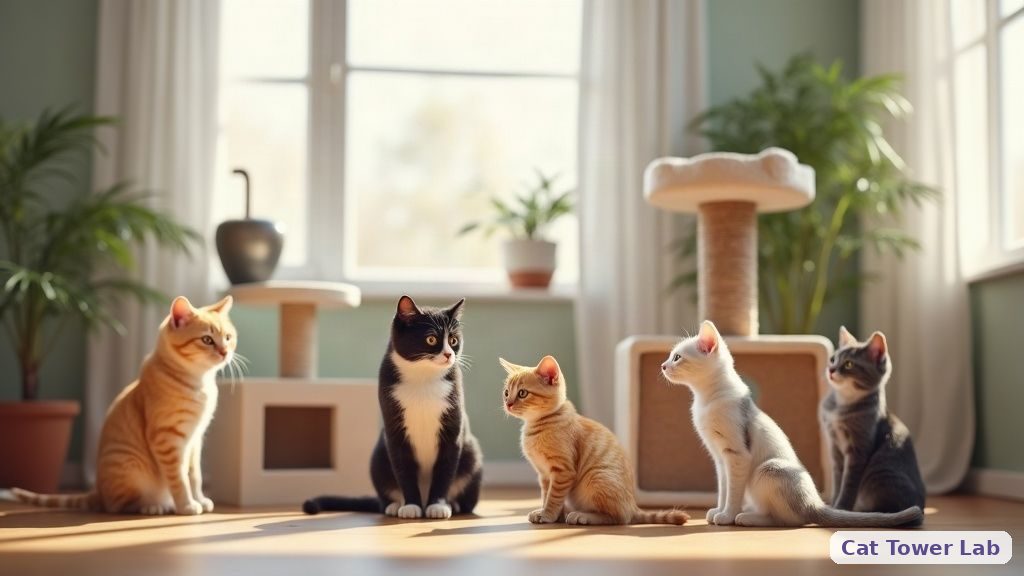
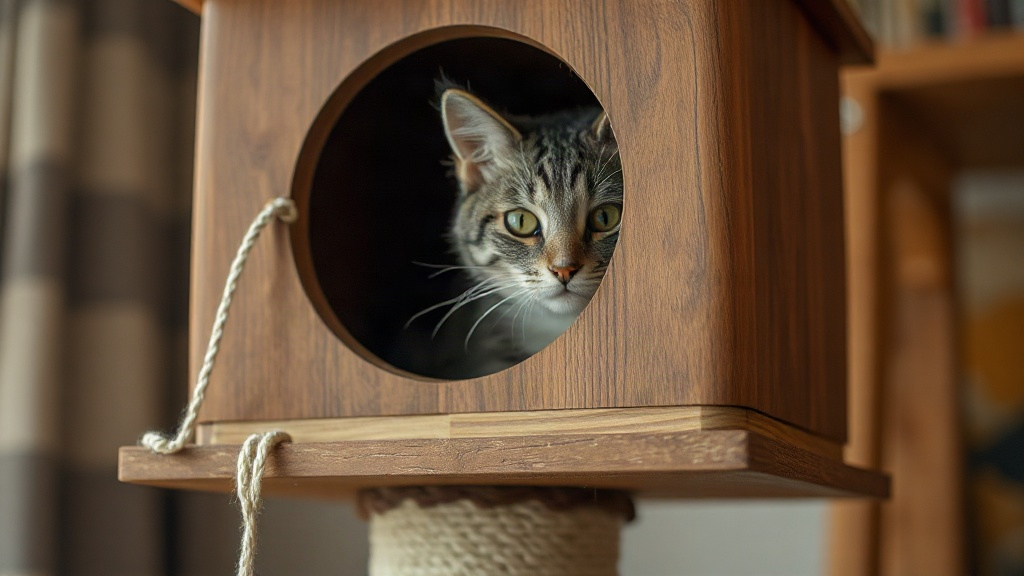
A condo — the enclosed box compartment on many cat trees — is one of the most personality-dependent features you can buy. Some cats treat it as their primary retreat; others walk past it entirely in favor of open platforms. The pattern is predictable once you know what to look for.
Why condos work for some cats and not others
Cats are individually wired toward either open, elevated observation or enclosed, hidden security as their preferred rest style. A condo satisfies the second instinct specifically — it does nothing for a cat whose preference runs the other direction, regardless of the condo’s build quality.
Size math that most listings skip
The condo interior needs to be sized to your cat’s body, not just “cat-sized” generically:
| Cat size | Minimum condo interior |
|---|---|
| Small (under 8 lb) | 12×12×12 in |
| Medium (8-12 lb) | 14×14×14 in |
| Large (12+ lb, Maine Coon/Ragdoll) | 16×16×adequate width minimum |
An undersized condo for a large cat gets ignored not from personality but simple physical discomfort — check the interior dimensions against your cat’s actual size, not just the tree’s overall size rating.
Multiple entry/exit points matter. Cats generally avoid enclosed spaces with only one entrance if they feel any territorial insecurity in the home (other pets, kids, high-traffic areas). A condo with two openings gets used more consistently than a single-entrance design in multi-pet or high-traffic households.
Signs your cat is a “condo cat”
- Already hides in boxes, under furniture, or in closets regularly
- Startles easily or seems anxious in open spaces
- Multi-pet household where a private retreat reduces stress
Signs the condo will likely go unused
- Cat already prefers window perches, countertops, or other open elevated spots
- Confident, low-anxiety personality with no history of hiding behavior
- Condo interior is undersized relative to the cat’s actual body size
FAQ
Do cats actually use the condo part of cat trees? It depends heavily on individual personality — cats who already seek out enclosed hiding spots (boxes, under furniture) tend to use condos consistently. Cats who prefer open, elevated observation spots often ignore the condo entirely.
What size condo does a large cat need? Minimum 16×16×18 inches interior for cats over 12 lb (Maine Coon, Ragdoll size). Many standard condos are sized for smaller cats and feel cramped to large breeds regardless of the tree’s overall size rating.
Why won’t my cat use the cat tree condo? Usually one of: the cat prefers open/elevated spots over enclosed ones (personality), the condo interior is undersized for their body, or there’s only one entrance and the cat feels exposed using it in a busy household.
Should a cat tree condo have more than one entrance? Yes, ideally — a single-entrance condo can feel like a trap to a cat with any territorial anxiety, especially in multi-pet homes. Two openings noticeably increase usage in these situations.
Are condos better than open platforms for anxious cats? Generally yes — an enclosed retreat gives anxious or easily-startled cats a genuine hiding option, which open platforms don’t provide. This is one of the clearest personality-based predictors of condo usage.