Cat Trees with a Hammock: Do Cats Actually Use Them?
As an Amazon Associate I earn from qualifying purchases. Product details may change; verify on Amazon before purchase.
🔍 How this guide was put together (Editorial Standards)
This guide compares options using published manufacturer specifications, patterns in publicly visible owner reviews, and reputable expert sources. We do not operate a physical testing lab; see our how-we-research page for details.
📑 Table of contents
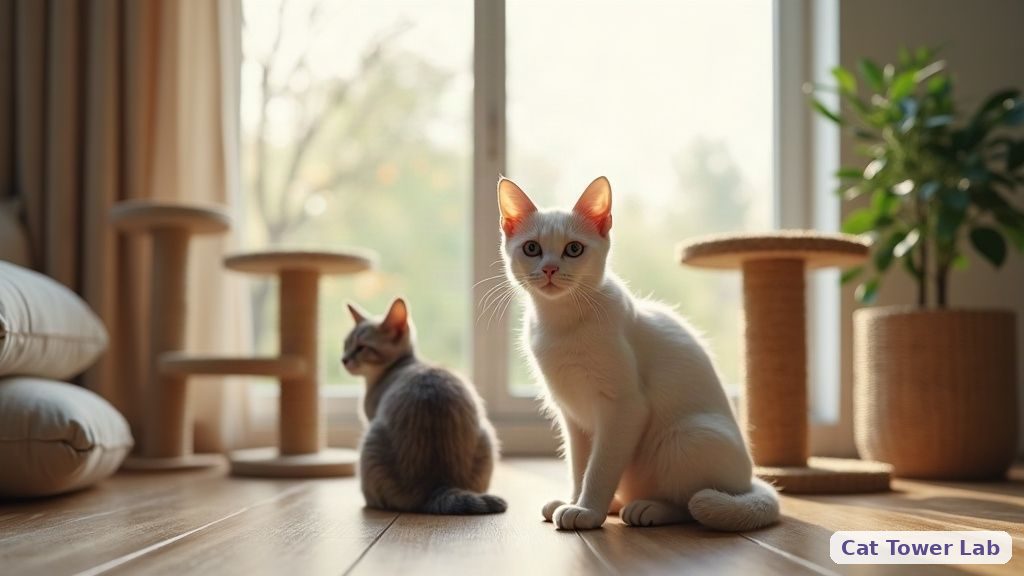
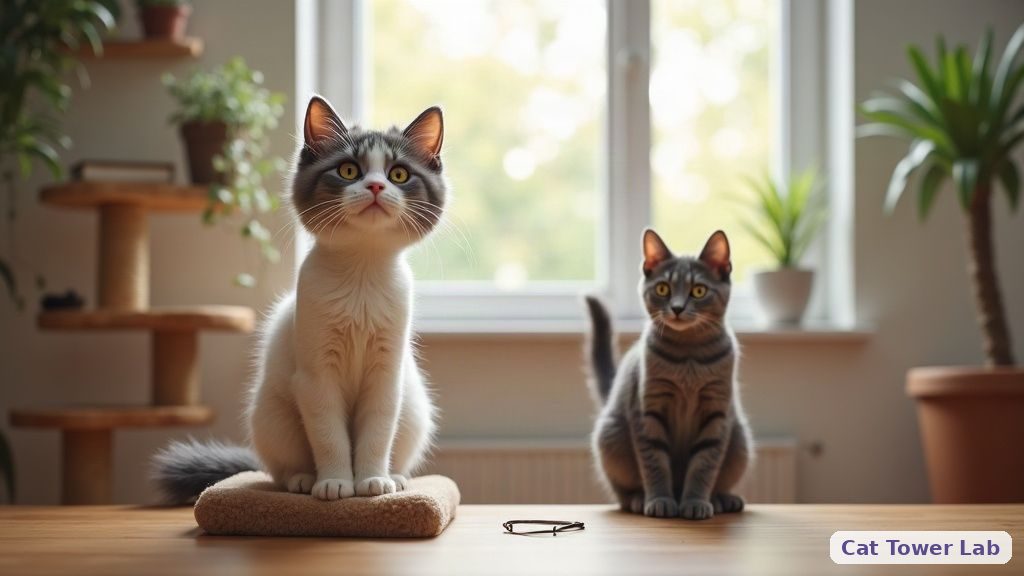
Hammock platforms are one of the most inconsistently-used cat tree features — some cats claim them immediately, others never touch them. The pattern isn’t random; it correlates with a few predictable factors.
What predicts hammock usage
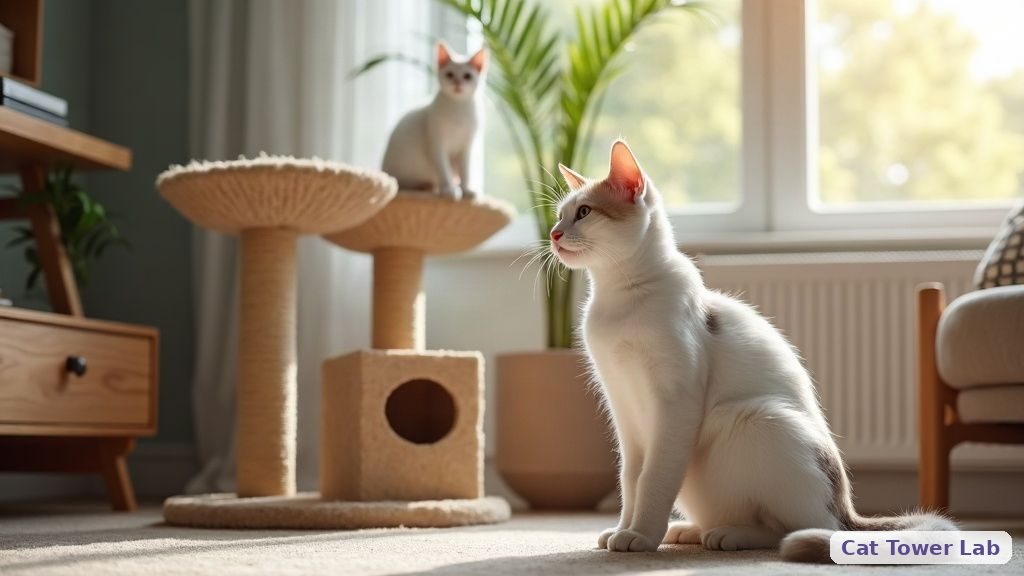
Height placement matters most. Cats generally prefer elevated resting spots for security and observation. A hammock positioned low on the tree gets used far less than one at mid-height or higher — it doesn’t satisfy the “vantage point” instinct that drives most cat resting-spot preferences.
Fabric texture and give. A hammock that sags too much or has a slippery fabric surface (some vinyl-coated designs) feels unstable underfoot and gets avoided. Cats prefer a taut, textured surface they can dig claws into slightly for security.
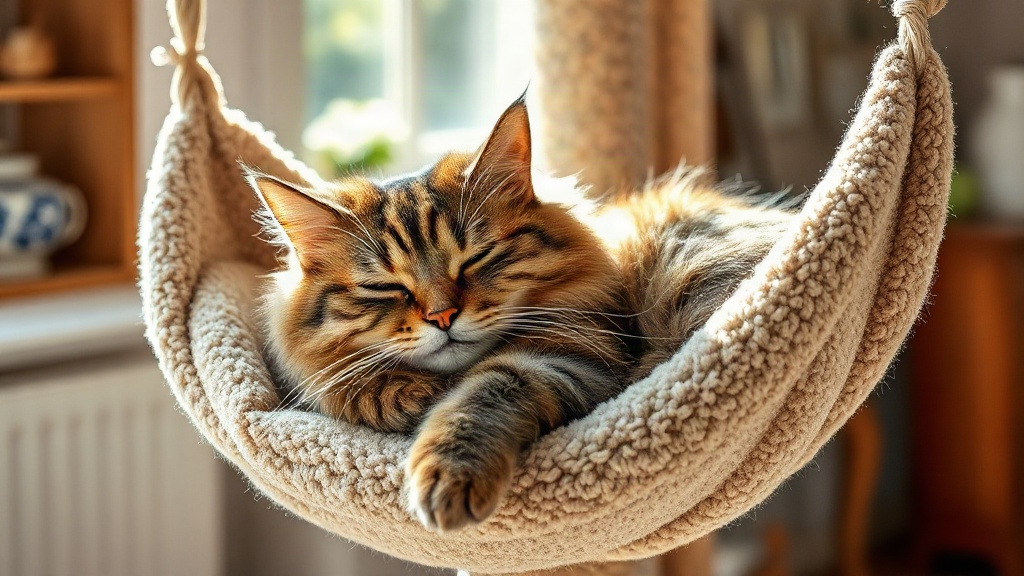
Individual personality: some cats are natural “hammock cats” who love suspended, enclosed-feeling rest spots. Others strongly prefer flat, solid platforms. This is genuine cat-to-cat variation — no design fix changes a cat’s fundamental preference.
The honest pattern from owner reports: hammocks placed at the TOP of a tree (not mid-level) get used significantly more often. If your tree's hammock sits low or mid-tree, don't be surprised if a cat who prefers height ignores it in favor of a flat top perch instead.
Signs your cat is a hammock cat vs a platform cat
- Already sleeps in soft, contained spots (laundry baskets, boxes) → likely hammock-friendly
- Prefers flat, wide surfaces (top of furniture, flat cushions) → likely platform-preferring
- Never rests somewhere their paws hang over an edge → may avoid a swaying hammock
What to do if your cat ignores the hammock
This is common enough that it’s not a sign of a bad purchase. Try:
- Moving a familiar-smelling blanket into the hammock to encourage first use
- Placing treats in the hammock a few times to build positive association
- Accepting that not every cat uses every feature — the rest of the tree still provides value
FAQ
Do cats actually use hammock cat trees? It varies significantly by individual cat personality and hammock placement. Hammocks positioned at the top of a tree (satisfying the height/vantage instinct) get used more consistently than low or mid-level placements.
Why won’t my cat use the hammock on their cat tree? Usually one of: placement too low (doesn’t satisfy height preference), fabric texture feels unstable, or your cat is simply a “flat platform” cat rather than a “hammock” cat — genuine individual variation, not a product flaw.
Are hammocks safe for older cats? Generally yes for accessible heights, but arthritic or senior cats may struggle with the slight instability of a suspended surface compared to a solid platform. See our senior cat guide for age-specific considerations.
Can you add a hammock to an existing cat tree? Some standalone hammock attachments exist for retrofitting, though fit varies by tree design — check compatibility with your specific tree’s frame dimensions before buying an add-on.
What height should a cat tree hammock be at? Top or upper-third of the tree tends to see the most consistent use, based on owner reports — this satisfies the elevated vantage-point preference most cats have for resting spots.